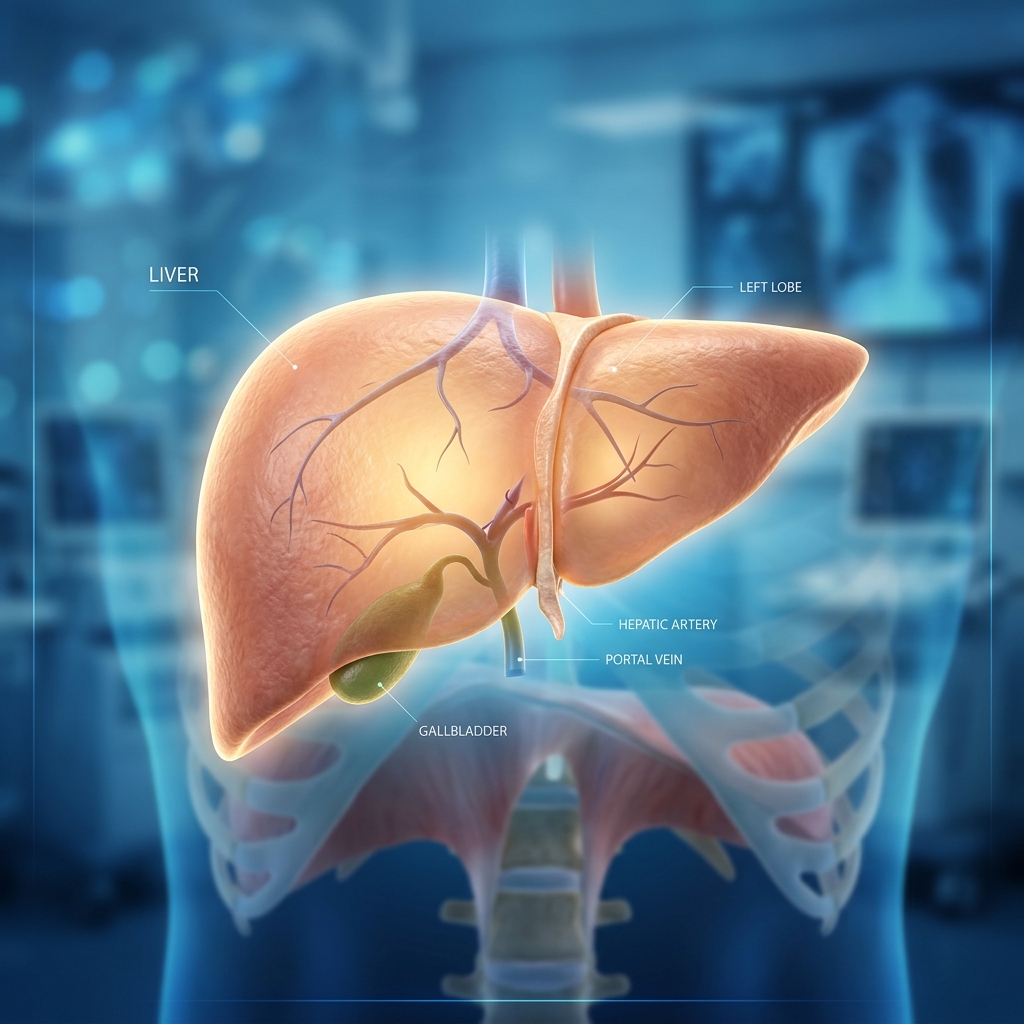
Gastroenterology
10 Essential Tips for Better Digestive Health
Key takeaways
- A fiber-rich diet of 25–35g/day is the foundation of good digestive health
- Staying hydrated with 2–3 liters of water daily prevents constipation and acid reflux
- Regular meal timings, mindful eating, and daily exercise train your gut to function optimally
- Persistent symptoms like blood in stool or unexplained weight loss need immediate specialist consultation
Digestive health is the foundation of overall well-being. From the moment you eat food to the time nutrients are absorbed and waste is eliminated, your digestive system plays a vital role in maintaining energy, immunity, and vitality. Unfortunately, modern lifestyles—irregular meals, processed foods, stress, and lack of exercise—have significantly increased the incidence of digestive disorders such as acidity, gas, bloating, constipation, irritable bowel syndrome (IBS), fatty liver disease, and even colorectal cancer.
As a gastroenterologist trained at Sanjay Gandhi Postgraduate Institute of Medical Sciences (SGPGI Lucknow), I often see patients who could have avoided chronic gastrointestinal issues with simple lifestyle changes. The good news is that maintaining digestive health does not require complicated regimens. Small, consistent habits can make a remarkable difference.
1. Eat a Balanced, Fiber-Rich Diet
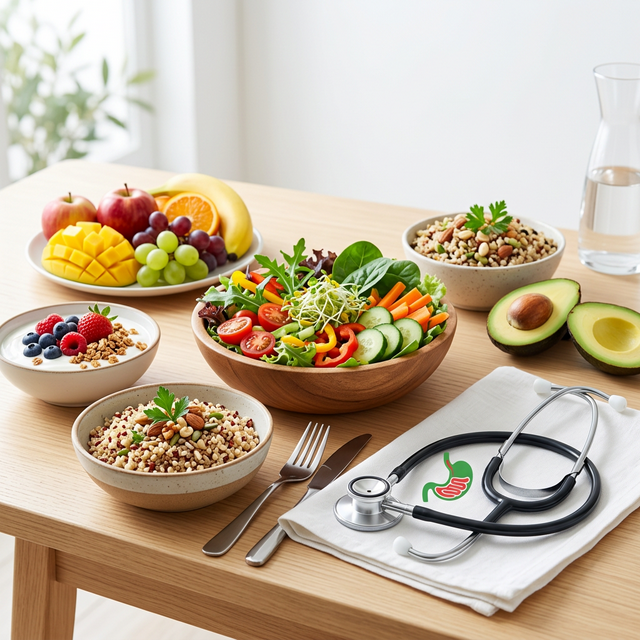
Fiber is the backbone of digestive wellness. It promotes regular bowel movements, prevents constipation, and supports beneficial gut bacteria.
There are two types of fiber:
- Soluble fiber: Found in oats, fruits, beans – helps regulate blood sugar and cholesterol.
- Insoluble fiber: Found in whole grains and vegetables – adds bulk to stool and prevents constipation.
Aim for 25–35 grams of fiber daily. Increase fiber gradually to avoid bloating and drink enough water alongside it. A diet rich in fruits, vegetables, whole grains, and legumes also reduces the risk of colon cancer and metabolic diseases.
2. Stay Hydrated Throughout the Day
Water helps break down food, dissolve nutrients, and soften stool. Dehydration can lead to constipation and acid reflux.
Most adults should aim for 2–3 liters of water daily, depending on climate and activity levels. In hot regions like North India, hydration becomes even more critical.
Avoid excessive sugary drinks and limit caffeinated beverages, as they may irritate the stomach lining.
3. Maintain Regular Meal Timings
Your digestive system follows a biological clock. Eating at irregular times disrupts gastric acid production and bowel patterns. Skipping meals often leads to hyperacidity, bloating, and gastritis.
Try to:
- Eat breakfast within an hour of waking
- Maintain consistent lunch and dinner timings
- Avoid late-night heavy meals
Consistency trains your digestive system to function optimally.
4. Chew Your Food Properly
Digestion begins in the mouth. Saliva contains enzymes that start breaking down carbohydrates. Poor chewing leads to indigestion, gas, and bloating.
Eat slowly and chew each bite 20–30 times. Avoid distractions like mobile phones or television while eating. Mindful eating improves both digestion and portion control.
5. Include Probiotics and Fermented Foods
Your gut contains trillions of beneficial bacteria. These microbes help digest food, produce vitamins, and support immunity.
Include natural probiotics like:
- Curd (dahi)
- Buttermilk (chaas)
- Fermented foods like idli and dhokla
In certain conditions like IBS or after antibiotic use, probiotic supplements may be recommended under medical supervision.
6. Exercise Regularly
Physical activity stimulates intestinal contractions and reduces constipation. Even 30 minutes of brisk walking daily can improve bowel regularity, reduce bloating, and support liver health.
Yoga poses like Pavanamuktasana and Vajrasana are particularly helpful for digestion. Sedentary lifestyles are closely linked to fatty liver disease and metabolic disorders.
Movement is medicine.
7. Manage Stress Effectively
The gut and brain are deeply connected—a relationship known as the gut-brain axis. Chronic stress can trigger Irritable Bowel Syndrome (IBS), acid reflux, and ulcers.
Practice:
- Meditation
- Deep breathing exercises
- Adequate sleep (7–8 hours)
If digestive symptoms worsen during stressful periods, addressing mental health becomes equally important.
8. Avoid Excessive Spicy, Oily, and Processed Foods
While occasional indulgence is fine, frequent consumption of heavily spiced and fried foods increases the risk of gastritis, acid reflux, and fatty liver disease. Processed foods are high in preservatives and low in fiber, disrupting gut microbiota.
Choose home-cooked meals whenever possible.
9. Do Not Ignore Warning Signs
Early diagnosis prevents serious complications. Consult a specialist if you experience:
- Persistent abdominal pain
- Unexplained weight loss
- Blood in stool
- Chronic constipation or diarrhea
- Difficulty swallowing
Modern diagnostic tools such as upper GI endoscopy and colonoscopy help detect conditions at early stages. Advanced training from institutions like SGPGI enables specialists to perform safe and effective endoscopic procedures.
10. Get Regular Health Check-Ups
Preventive screening is vital, especially after the age of 40 or if there is a family history of gastrointestinal disease.
Routine tests may include:
- Liver function tests
- Ultrasound abdomen
- Endoscopy (if indicated)
- Colon cancer screening
Early detection significantly improves treatment outcomes.
Understanding Common Digestive Disorders
Some frequently encountered gastrointestinal conditions include:
- Acid reflux (GERD)
- Irritable Bowel Syndrome (IBS)
- Fatty Liver Disease
- Peptic Ulcer Disease
- Gallstones
- Inflammatory Bowel Disease (IBD)
Most of these conditions are manageable with timely diagnosis and lifestyle modification.
Final Thoughts from Dr. Vikas Sengar
Digestive health is not just about avoiding discomfort—it is about enhancing your quality of life. A healthy gut supports immunity, mental well-being, and metabolic balance.
Small steps such as regular meals, adequate hydration, exercise, and stress management can prevent long-term complications. However, if symptoms persist, do not self-medicate. Early consultation with a qualified gastroenterologist ensures accurate diagnosis and advanced treatment options.
At Medi Help Hospital, we are committed to providing comprehensive gastrointestinal care with a patient-centered approach.
Your digestive system works tirelessly for you every day — take care of it, and it will take care of you.