
Emergency Care · August 5, 2024 · 6 min read
Medical Emergency Preparedness: What Every Family Should Know
By Emergency Medical Team
Key takeaways
- Always keep emergency contact numbers saved and printed at home
- Early recognition of warning signs (FAST for stroke, chest pain for heart attack) saves lives
- CPR knowledge can double or triple survival chances in cardiac arrest
- The 'Golden Hour' is critical — never delay seeking emergency care
Medical emergencies can happen anytime—at home, at work, on the road, or during travel. In critical moments, the difference between life and death often depends on how quickly and effectively action is taken. Being prepared is not about panic; it is about planning.
Every family should have a clear emergency strategy, basic first-aid knowledge, and awareness of warning signs that require immediate medical attention. This comprehensive guide will help you prepare your household for unexpected health crises.
Why Medical Emergency Preparedness Matters
Emergencies such as heart attacks, strokes, severe injuries, allergic reactions, and breathing difficulties require immediate response. Delays in treatment can lead to permanent disability or fatal outcomes.
Prepared families:
- Respond faster
- Reduce complications
- Improve survival chances
- Stay calmer under pressure
Preparation builds confidence and saves precious time.
Common Medical Emergencies Every Family Should Recognize
1. Heart Attack
A heart attack occurs when blood flow to the heart muscle is blocked.
Warning signs:
- Chest pain or pressure
- Pain spreading to arm, jaw, or back
- Shortness of breath
- Sweating, nausea
- Sudden weakness
What to do:
- Call emergency services immediately
- Keep the person calm and seated
- Loosen tight clothing
- Do not delay hospital visit
Time is muscle — early treatment reduces heart damage.
2. Stroke
A stroke occurs when blood supply to part of the brain is interrupted.
Use the FAST method:
- Face drooping
- Arm weakness
- Speech difficulty
- Time to call emergency help
Immediate treatment within the "golden hour" greatly improves recovery.
3. Severe Allergic Reaction (Anaphylaxis)
Anaphylaxis can be life-threatening and may occur due to food, insect stings, or medications.
Symptoms include:
- Swelling of lips, face, or throat
- Difficulty breathing
- Rash or hives
- Dizziness
Immediate medical attention is essential. If prescribed, use an epinephrine auto-injector and rush to the hospital.
4. Severe Bleeding or Trauma
Heavy bleeding can cause shock quickly.
Immediate steps:
- Apply firm pressure with clean cloth
- Elevate injured area if possible
- Do not remove deeply embedded objects
- Seek emergency care
5. Breathing Difficulty
Breathing problems may be caused by asthma, infection, allergic reaction, or choking.
Seek urgent help if:
- Lips turn bluish
- Person cannot speak full sentences
- Severe chest retractions in children
- Sudden choking
Creating a Family Emergency Plan
Preparation starts with organization.
1. Keep Emergency Numbers Accessible
- Ambulance services
- Nearest hospital
- Family doctor
- Local blood bank
Save them on every family member's phone and keep a printed copy visible at home.
2. Prepare a Medical Information File
Maintain updated records including:
- Medical history
- Current medications
- Allergies
- Blood group
- Insurance details
Keep both digital and printed copies.
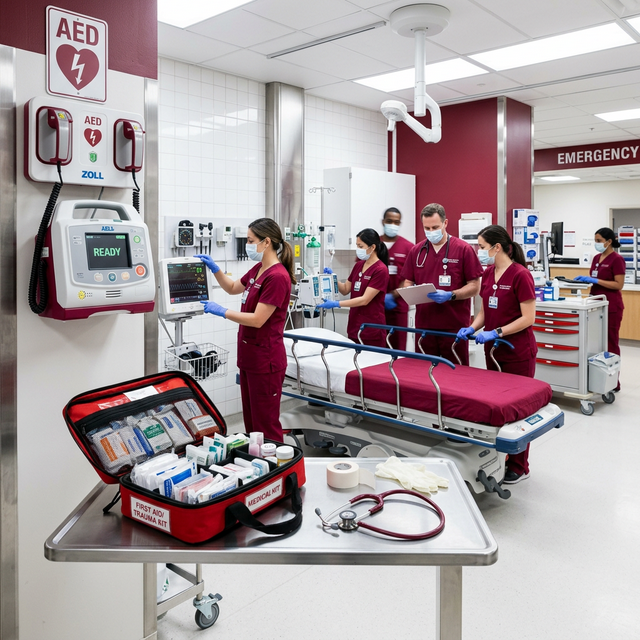
3. Build a Home First Aid Kit
Essential items:
- Sterile gauze and bandages
- Antiseptic solution
- Digital thermometer
- Blood pressure monitor (if needed)
- Glucose meter (for diabetic patients)
- Basic medications (as advised by doctor)
Check expiry dates regularly.
4. Learn Basic First Aid & CPR
Cardiopulmonary Resuscitation (CPR) can double or triple survival chances in cardiac arrest.
Every adult family member should:
- Know how to perform chest compressions
- Recognize cardiac arrest signs
- Understand choking first aid
Consider certified first-aid training programs.
Special Considerations for Children and Elderly
Children:
- Keep medicines out of reach
- Prevent choking hazards
- Monitor high fever carefully
Elderly:
- Watch for falls
- Monitor blood pressure and sugar levels
- Keep walking areas clutter-free
Both groups are more vulnerable during emergencies.
When to Seek Immediate Medical Attention
Go to the emergency department immediately if you notice:
- Sudden chest pain
- Difficulty breathing
- Unconsciousness
- Seizures
- Severe abdominal pain
- Persistent high fever in infants
- Heavy bleeding
- Sudden confusion
Never wait for symptoms to "settle" if they appear serious.
Importance of the "Golden Hour"
In trauma, stroke, and heart attack cases, the first hour is critical. Rapid transportation to a properly equipped emergency facility significantly improves survival and recovery outcomes.
Avoid delays such as:
- Trying home remedies first
- Waiting for symptoms to disappear
- Consulting multiple sources before acting
When in doubt, seek medical care.
Mental Preparedness During Emergencies
Panic can worsen situations. Stay calm and:
- Take deep breaths
- Give clear information to medical personnel
- Follow instructions precisely
- Avoid crowding the patient
Clear thinking leads to better decisions.
Technology Can Help
- Install emergency apps
- Use wearable health trackers
- Enable medical ID features on smartphones
- Store emergency contacts under ICE (In Case of Emergency)
These small steps can assist responders during critical moments.