
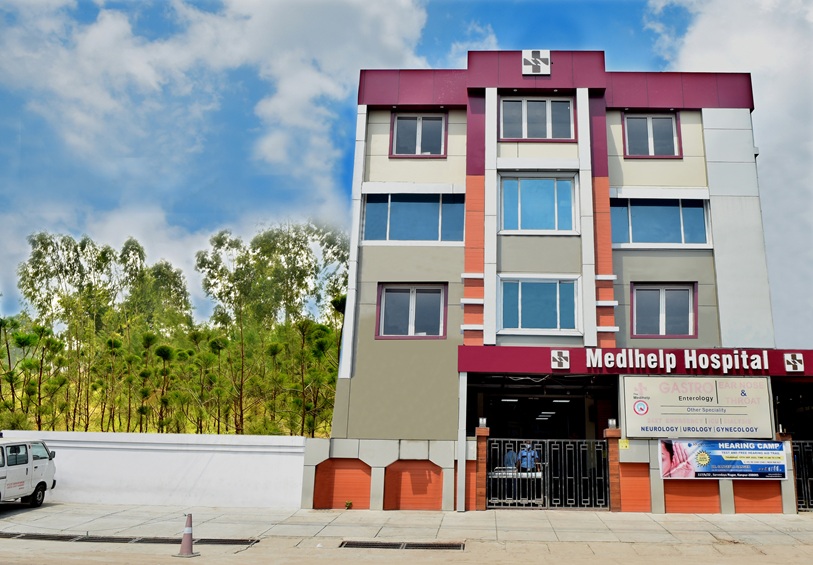
Constipation & Piles
What is Constipation & Piles?
Hard or infrequent stools and swollen veins near the anus.
What are the causes?
- Low fibre and water intake
- Straining
- Long sitting
Symptoms and signs
- Hard stools
- Bleeding while passing stool
- Pain or itching
Note: Please do not self-diagnose. Consult a specialist for proper diagnosis and treatment.
How is it diagnosed?
- Examination
- Colonoscopy if needed
Treatment at Medi Help Hospital
Diet and fibre changes, medicines and procedures for piles when needed.
Understanding Constipation and Piles
Constipation and Piles, also known as hemorrhoids, are closely linked digestive issues that affect many people in Kanpur. Constipation involves difficult or infrequent bowel movements, while piles refer to swollen veins in the lower rectum and anus.
When you strain during bowel movements due to constipation, the pressure on the rectal veins increases significantly. Over time, this pressure causes the veins to swell and bulge, leading to the discomfort associated with piles.
Common Symptoms and Signs
It is important to recognize the signs early so you can seek medical advice from experts like Dr. Vikas Sengar. Many patients ignore these symptoms until they become painful or interfere with daily life.
Symptoms can vary depending on whether the issue is internal or external. Monitoring your digestive health is the first step toward effective treatment.
- Difficulty passing stools or feeling of incomplete evacuation
- Bright red blood during or after a bowel movement
- Itching, irritation, or pain in the anal region
- Hard lumps or swelling near the anus
- Passing stool less than three times a week
Risk Factors and Causes
A low-fiber diet is the most common cause of chronic constipation, which eventually leads to piles. Without enough fiber, stools become hard and difficult to pass, requiring more effort during bathroom visits.
Other factors include lack of physical activity, inadequate water intake, and prolonged sitting. Certain life stages, such as pregnancy, also increase the risk due to increased pressure on the pelvic area.
Diagnosis and Consultation
At Medi Help Hospital, our DM Gastroenterologist Dr. Vikas Sengar provides a comprehensive evaluation for digestive disorders. Diagnosis typically begins with a physical examination and a review of your dietary habits and medical history.
In some cases, further tests like a digital rectal exam or a visual inspection using a small scope may be necessary. These procedures help rule out other serious conditions and ensure the right treatment plan is created for you.
Treatment Options at Medi Help
Most cases of constipation and early-stage piles can be managed with conservative treatments and lifestyle changes. We focus on non-invasive methods first to provide relief from pain and discomfort.
If the condition is advanced, medical interventions may be recommended to shrink the swollen veins. Our team ensures that every patient receives personalized care based on the severity of their symptoms.
- Prescription stool softeners and fiber supplements
- Topical ointments to reduce swelling and itching
- Dietary counseling to improve digestive transit
- Minimally invasive procedures for persistent piles
Recovery and Long-term Prevention
Preventing the recurrence of piles starts with maintaining regular and soft bowel movements. Consistency in your daily routine is key to keeping your digestive system functioning smoothly.
Small changes in your daily life can make a big difference in how you feel. We encourage our patients to listen to their bodies and avoid delaying the urge to pass stools.
- Drink at least 8 to 10 glasses of water daily
- Include whole grains, fruits, and vegetables in every meal
- Engage in regular physical exercise like walking
- Avoid sitting on the toilet for extended periods
Why Choose Medi Help Hospital for Gastric Care
Medi Help Hospital in Sarvodaya Nagar is a trusted center for gastrointestinal health since 2019. Under the guidance of Dr. Vikas Sengar, we offer specialized care for all digestive and liver-related issues.
Our facility is equipped with a 24/7 emergency department and ICU to handle any complications. We prioritize patient comfort and provide a warm, supportive environment for your recovery.
Frequently Asked Questions
Yes, chronic constipation is a leading cause of piles. The straining required to pass hard stools puts excessive pressure on the rectal veins, causing them to swell and become piles.