
ENT
Sialendoscopy
A tiny scope is used to treat salivary gland stones and blockages.
Why is it done?
Swelling or pain near the jaw while eating may be due to a salivary stone or blockage.
- Removes salivary stones through the mouth
- Often avoids removing the whole gland
- Minimally invasive
During the procedure
Done under local or general anaesthesia through the natural duct opening inside the mouth.
After the procedure
- Mild swelling for a day or two
- Sour candies and fluids help saliva flow
- Follow-up check
When to get medical care?
- Increasing swelling with fever — see the doctor
Overview of Sialendoscopy
Sialendoscopy is a modern, minimally invasive procedure used to diagnose and treat disorders of the salivary glands. At Medi Help Hospital, Kanpur, we use this advanced technique to view the narrow ducts of the glands without the need for large external incisions.
The procedure involves using an extremely thin endoscope equipped with a camera to explore the ductal system. This allows our specialists to identify blockages or inflammations that were previously difficult to reach or required major surgery.
- Minimally invasive approach
- Preserves the natural salivary gland
- Reduces the risk of nerve damage
- Minimal scarring compared to traditional surgery
When Do You Need Sialendoscopy?
You may require this procedure if you suffer from recurrent swelling or pain in the cheeks or under the jaw, especially while eating. These symptoms often indicate a blockage in the salivary ducts caused by stones or narrowing of the passages.
Dr. Sangeeta Sengar, our Senior ENT specialist, evaluates patients showing persistent signs of salivary gland infections or dryness. Early intervention can prevent the condition from worsening into chronic infections.
- Recurrent salivary gland stones (sialolithiasis)
- Frequent episodes of parotitis
- Strictures or narrowing of the salivary ducts
- Unexplained swelling after meals
Advanced ENT Care by Dr. Sangeeta Sengar
As a Senior ENT specialist with extensive experience, Dr. Sangeeta Sengar leads our department in performing precise diagnostic and therapeutic sialendoscopy. Her expertise ensures that patients receive focused care for delicate ductal issues.
Under her guidance, the ENT team at Medi Help Hospital focuses on organ-sparing techniques. This means we aim to clear the blockage while keeping your salivary gland functional and intact.
What to Expect During the Procedure
During the procedure, a tiny endoscope is inserted through the natural opening of the salivary duct inside the mouth. The doctor uses a high-definition monitor to navigate the ductal system and identify the cause of the obstruction.
If a stone is found, small tools like baskets or lasers can be used through the endoscope to break or remove it. The entire process is usually performed under local or general anesthesia, depending on the complexity of the case.
- Procedure usually lasts 30 to 90 minutes
- Small stones are removed directly
- Ducts can be dilated if they are too narrow
- Medicines may be delivered directly into the duct
Preparation and Recovery
Preparation is simple and involves a consultation to review your medical history and imaging like ultrasound or CT scans. You may be asked to fast for a few hours if general anesthesia is planned for your comfort.
Recovery is typically very quick since there are no large cuts or stitches. Most patients return home the same day and can resume their normal activities within a day or two.
- Stay hydrated after the procedure
- Use warm compresses if mild swelling occurs
- Eat soft foods for the first 24 hours
- Follow prescribed antibiotics if required
Lifestyle Tips for Salivary Health
Maintaining good oral hygiene and staying hydrated are the best ways to prevent salivary duct stones. Drinking plenty of water helps keep the saliva thin and moving freely through the ducts.
Regular dental check-ups and avoiding smoking can also reduce the risk of ductal inflammation. If you feel a small lump or tenderness, it is best to consult an ENT specialist immediately.
- Drink 2-3 liters of water daily
- Maintain excellent oral hygiene
- Use sour candies to stimulate saliva flow if recommended
- Avoid tobacco products
Why Choose Medi Help Hospital for Sialendoscopy?
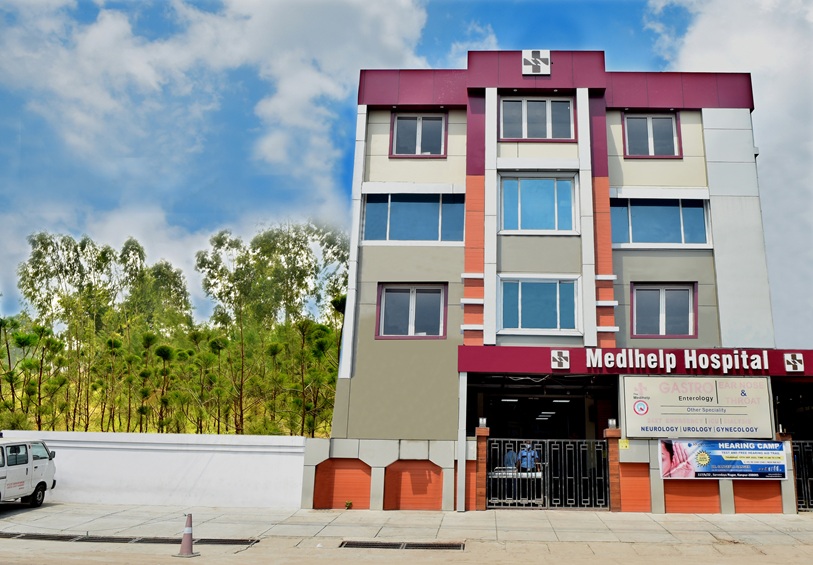
Medi Help Hospital in Sarvodaya Nagar, Kanpur, is dedicated to providing high-quality surgical care with a personal touch. Our facility is equipped with 24/7 emergency services and specialized ICU and NICU support for all patient needs.
By choosing us, you benefit from the expertise of Senior ENT specialist Dr. Sangeeta Sengar and a supportive medical team. We prioritize patient comfort and use modern techniques to ensure the best possible outcomes for salivary disorders.
Frequently Asked Questions
The procedure is performed under anesthesia, so you will not feel pain during it. Afterward, you might experience mild soreness or swelling for a few days, which is easily managed with common painkillers.