
Peptic Ulcer & H. Pylori
What is Peptic Ulcer & H. Pylori?
Sores in the lining of the stomach or duodenum, often caused by H. pylori infection.
What are the causes?
- H. pylori infection
- Painkillers (NSAIDs)
- Smoking and alcohol
Symptoms and signs
- Burning stomach pain
- Bloating
- Nausea
- Black stools
Note: Please do not self-diagnose. Consult a specialist for proper diagnosis and treatment.
How is it diagnosed?
- Upper GI endoscopy
- H. pylori tests
Treatment at Medi Help Hospital
Acid-reducing medicines and antibiotics for H. pylori.
Understanding Peptic Ulcers and H. Pylori
A peptic ulcer is a sore that develops on the inner lining of your stomach or the upper part of your small intestine. These sores occur when the protective layer of mucus that coats your digestive tract breaks down, allowing stomach acid to damage the sensitive tissue underneath.
One of the most common causes of these ulcers is a bacterial infection known as Helicobacter pylori, or H. pylori. While many people carry this bacteria without symptoms, in some individuals, it triggers inflammation that leads to painful ulcers.
- Gastric ulcers occur on the inside of the stomach.
- Duodenal ulcers occur on the inside of the upper portion of the small intestine.
Recognizing the Symptoms
The most frequent symptom of a peptic ulcer is a burning sensation or dull ache in the upper abdomen. This pain often feels worse when your stomach is empty and may temporarily improve after eating certain foods or taking an antacid.
Other signs can include a feeling of fullness, bloating, or frequent belching. In more severe cases, patients might notice unexpected weight loss or changes in appetite.
- Burning stomach pain.
- Feeling of fullness or bloating.
- Intolerance to fatty foods.
- Heartburn or nausea.
Common Risk Factors
Apart from H. pylori infection, the regular use of certain over-the-counter pain relievers can irritate or inflame the lining of your stomach. These medications, known as nonsteroidal anti-inflammatory drugs (NSAIDs), are a leading cause of ulcer development.
While stress and spicy foods do not cause ulcers on their own, they can make your symptoms much worse and delay the healing process if an ulcer is already present.
- Frequent use of pain relievers like aspirin or ibuprofen.
- Excessive alcohol consumption.
- Smoking, which may increase the risk in people with H. pylori.
- Untreated chronic stress.
Expert Diagnosis at Medi Help Hospital
At Medi Help Hospital, our senior gastroenterologist Dr. Vikas Sengar uses advanced diagnostic tools to identify the presence of H. pylori and assess the severity of ulcers. Accurate diagnosis is the first step toward effective relief and preventing complications.
We offer various testing methods, including simple breath tests, stool tests, and specialized endoscopy procedures. These tests help us determine the best course of treatment tailored to your specific digestive health needs.
- Urea breath test for H. pylori.
- Stool antigen test.
- Upper endoscopy for direct visualization.
- Biopsy during endoscopy if required.
Effective Treatment and Recovery
The primary goal of treatment is to kill the H. pylori bacteria and reduce acid levels to allow the ulcer to heal. This usually involves a combination of antibiotics and acid-blocking medications prescribed by our experts.
Most ulcers heal completely with the right medication and lifestyle adjustments. It is crucial to complete the entire course of antibiotics even if you start feeling better within a few days.
Lifestyle and Prevention Tips
Adopting healthy habits can significantly reduce the risk of recurring ulcers. We recommend eating a balanced diet rich in fruits, vegetables, and whole grains to support your digestive system.
Managing stress through relaxation techniques and avoiding triggers like smoking or heavy alcohol use can also protect your stomach lining. Always consult a doctor before starting long-term pain medication.
- Wash hands frequently to avoid H. pylori infection.
- Limit the use of NSAIDs unless prescribed.
- Avoid foods that irritate your stomach.
- Stay hydrated and eat smaller, frequent meals.
Why Choose Medi Help Hospital for Gastric Care
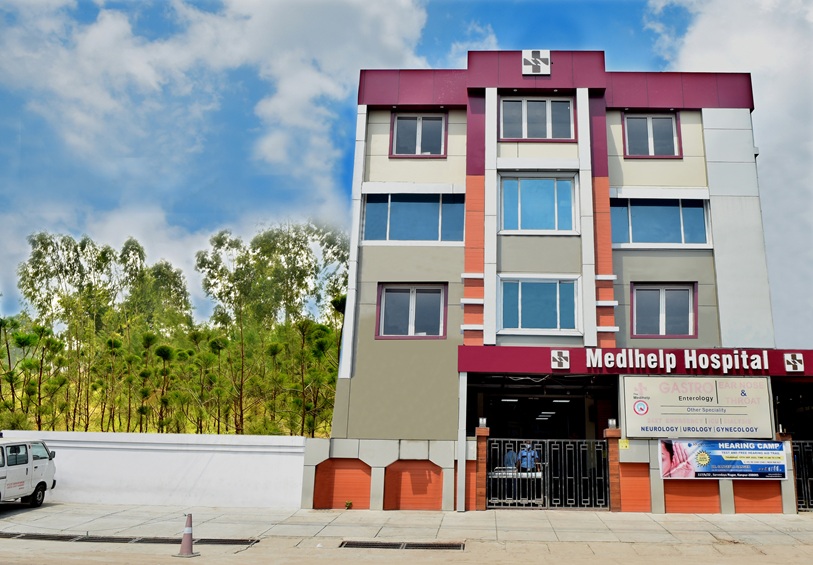
Medi Help Hospital in Sarvodaya Nagar, Kanpur, is dedicated to providing compassionate and specialized care for digestive disorders. Under the guidance of Dr. Vikas Sengar (DM Gastroenterology, SGPGI Lucknow), patients receive expert consultation and modern treatment plans.
With 24/7 emergency services and a dedicated ICU, we are equipped to handle complications such as ulcer bleeding or severe abdominal pain at any time of the day or night.
Frequently Asked Questions
No, spicy foods do not cause ulcers, but they can irritate an existing ulcer and make the pain feel more intense.