
Gastroenterology · August 23, 2026 · 11 min read
Fatty Liver: Symptoms, Causes, Grades and Treatment Options
By Dr. Vikas Sengar
Key takeaways
- Fatty liver is a common metabolic condition characterized by excess fat in liver cells, often silent in its early grades.
- MASLD (formerly NAFLD) is driven by obesity, type 2 diabetes, high cholesterol, and insulin resistance.
- Diagnosis involves blood tests (LFT), abdominal ultrasound (bright liver), and non-invasive FibroScan tests.
- Gradual weight loss (7-10%), dietary changes, and active exercise are the cornerstones of reversing early-stage fatty liver.
The liver is one of the most hard-working organs in the human body, performing over 500 essential functions daily, including filtering toxins, processing nutrients, and regulating cholesterol and blood sugar levels. However, a silent epidemic is rising rapidly across the globe and within India: Fatty Liver Disease. In Kanpur, this condition is becoming increasingly common due to a combination of sedentary lifestyles, chronic stress, and diets high in refined carbohydrates, saturated fats, and processed foods. Often diagnosed during routine abdominal ultrasounds, a fatty liver is a sign that the liver is storing excess fat. While simple fat accumulation in the early stages might seem harmless, neglecting this condition can lead to severe inflammation, liver scarring (fibrosis), and eventually permanent liver damage (cirrhosis). For individuals seeking medical advice, finding effective fatty liver treatment in Kanpur is the first step toward reclaiming metabolic health and preventing long-term liver complications. In this patient-friendly, medically responsible guide, we will break down the symptoms, causes, grades, and evidence-based treatment options for fatty liver disease, highlighting the path to recovery under the guidance of a qualified liver specialist in Kanpur.
What is Fatty Liver (Hepatic Steatosis)?
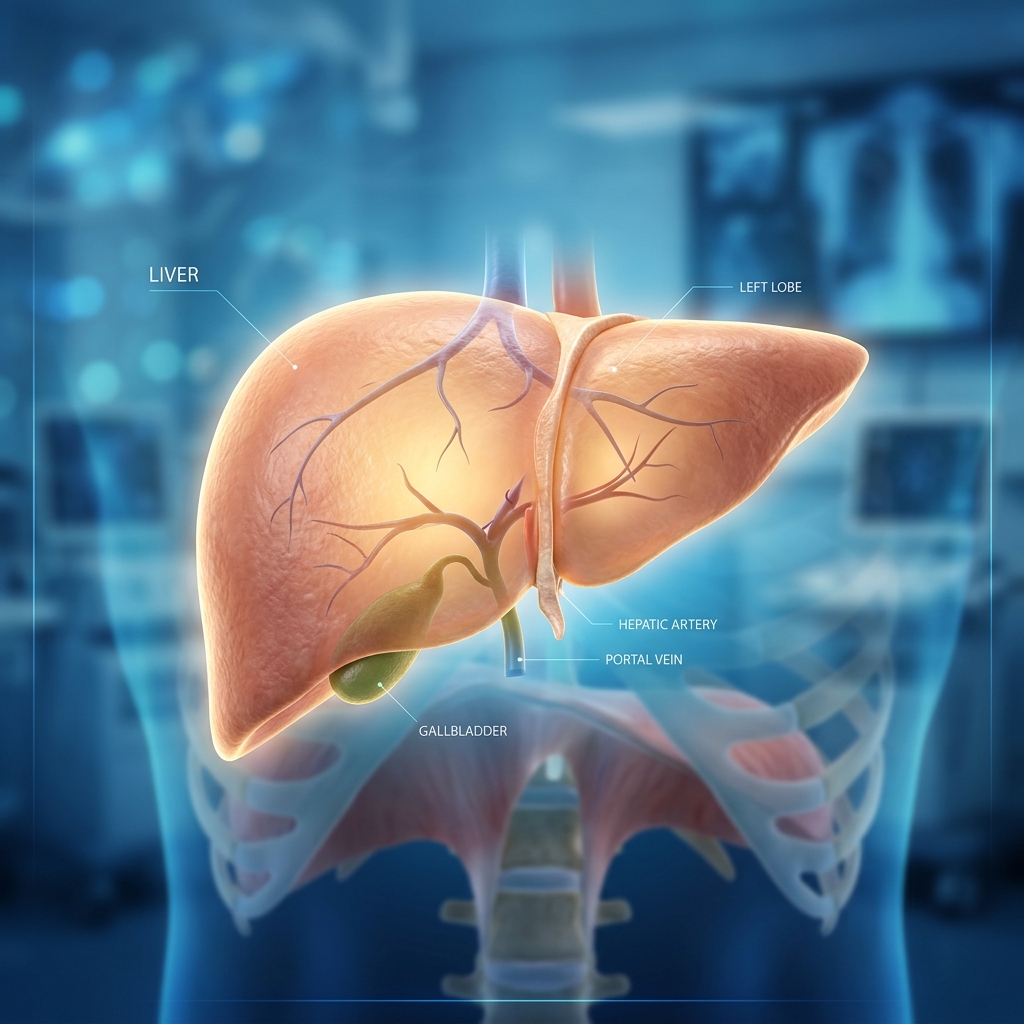
Fatty liver, medically known as hepatic steatosis, occurs when excess fat builds up inside the liver cells (hepatocytes). It is normal for the liver to contain small amounts of fat; however, if fat makes up more than 5% to 10% of the liver's overall weight, it is classified as fatty liver disease. The liver processes everything we eat and drink, converting nutrients into energy and filtering out harmful substances. When there is a constant overload of calories, sugars, and fats, the liver cannot process them efficiently, and the excess is stored as fat droplets within liver tissue. Over time, this fat accumulation can interfere with the liver's normal function and trigger an inflammatory response, leading to cellular damage. Understanding this basic mechanism is essential for anyone seeking fatty liver treatment, as it emphasizes that the condition is directly linked to the body's overall metabolic and energy balance.
MASLD vs. Alcohol-Related Fatty Liver Disease
Historically, fatty liver disease was categorized into two broad types: Non-Alcoholic Fatty Liver Disease (NAFLD) and Alcoholic Fatty Liver Disease (AFLD). However, in recent years, global medical societies have updated the terminology to better reflect the underlying causes of the disease:
- Metabolic Dysfunction-Associated Steatotic Liver Disease (MASLD): Previously known as NAFLD, MASLD is the term used when fat builds up in the liver of individuals who drink little or no alcohol. The prefix "Metabolic Dysfunction-Associated" is key, as it highlights that the condition is driven by underlying metabolic risk factors. To be diagnosed with MASLD, a patient must have hepatic steatosis along with at least one metabolic risk factor, such as obesity, type 2 diabetes, high blood pressure, elevated triglycerides, or low HDL ("good") cholesterol levels. Under the MASLD umbrella, a more severe form is MASH (Metabolic Dysfunction-Associated Steatohepatitis, formerly NASH), which involves not just fat, but also active liver cell inflammation and damage.
- Alcohol-Associated Liver Disease (ALD): This condition is directly caused by excessive alcohol consumption. The liver breaks down most of the alcohol you drink, a process that generates harmful substances that damage liver cells, promote inflammation, and weaken the body's natural defenses. The more alcohol a person consumes, the more they damage their liver, leading to fat accumulation as the earliest stage of ALD.
While both conditions show similar fat buildup under a microscope, their prevention and treatment strategies differ. A qualified liver specialist in Kanpur can perform the necessary assessments to distinguish between metabolic and alcohol-related factors, ensuring a tailored and effective management plan.
What Causes Fatty Liver?
Fatty liver is a complex condition with multiple contributing factors. In the case of MASLD, the primary driver is insulin resistance, a condition where the body's cells do not respond effectively to the hormone insulin. This causes the pancreas to produce more insulin, which in turn promotes the uptake and storage of fatty acids in the liver. Key causes and risk factors include:
Obesity and Abdominal Fat
Carrying excess weight, particularly around the abdomen (visceral fat), is highly linked to insulin resistance and fatty liver. Visceral fat is metabolically active and releases fatty acids directly into the portal vein leading to the liver.
Type 2 Diabetes and Insulin Resistance
Diabetes significantly increases the risk of MASLD. When blood sugar levels are high and insulin is not working properly, the body mobilizes fat stores and sends them to the liver, leading to steatosis.
Unhealthy Dietary Habits
Diets rich in refined carbohydrates, saturated fats, seed oils, and especially high-fructose corn syrup (found in soft drinks and processed snacks) are major contributors. Fructose is processed exclusively by the liver, where it is easily converted directly into fat.
Sedentary Lifestyle
Lack of physical activity reduces the body's ability to burn glucose and fatty acids, encouraging the storage of excess energy as fat in the liver.
Genetic Predisposition
Certain genetic variations (such as the PNPLA3 gene) can make individuals more susceptible to storing fat in the liver, even without severe obesity or dietary triggers.
Rapid Weight Loss or Malnutrition
Losing weight too quickly or following extreme crash diets can flood the bloodstream with fatty acids, causing temporary or worsening fat accumulation in the liver.
Fatty Liver Symptoms: Why It Is a Silent Disease
One of the most dangerous aspects of fatty liver disease is that it is typically a silent condition. In its early and moderate stages, it rarely causes noticeable symptoms. The liver tissue itself does not contain pain receptors. The liver only registers pain when its outer capsule (Glisson's capsule) is stretched or inflamed due to rapid swelling or advanced disease. As a result, a person can live with Grade 1 or Grade 2 fatty liver for years without feeling any physical discomfort.
When symptoms do appear, they are often vague and non-specific:
- Persistent Fatigue: Feeling constantly tired or weak, even after adequate rest, is the most common complaint.
- Dull Ache or Discomfort: A sensation of fullness or a vague, dull pain in the upper right side of the abdomen (where the liver is located), caused by the liver enlarging and stretching its capsule.
Because symptoms are absent or mild, many cases are discovered incidentally during routine abdominal ultrasounds or blood tests performed for other reasons. This highlights the importance of regular screening and early consultation with a stomach specialist in Kanpur if you have metabolic risk factors like diabetes or obesity.
Understanding the Grades and Stages of Fatty Liver
Fatty liver disease progresses through distinct stages, which are often classified during diagnostic imaging (like ultrasound) or pathological evaluation:
- Grade 1 (Mild Steatosis): The simplest stage where fat accumulates in less than 30% of liver cells. At this stage, there is no inflammation or scarring, and the condition is highly reversible through lifestyle modifications.
- Grade 2 (Moderate Steatosis): Fat droplets are present in 30% to 66% of liver cells. The liver may begin to enlarge, and subtle signs of cellular stress may develop. This stage remains largely reversible but requires active intervention.
- Grade 3 (Severe Steatosis): Fat accumulation exceeds 66% of liver cells. The liver is heavily laden with fat, and the risk of progression to active inflammation (steatohepatitis) is significantly elevated.
- Steatohepatitis (NASH/MASH): The critical turning point where the fat buildup triggers active inflammation and cell damage. The liver cells swell (ballooning) and begin to die.
- Liver Fibrosis: Chronic inflammation leads to the accumulation of scar tissue (collagen fibers) within the liver. While some healthy tissue remains, the scars begin to disrupt normal liver architecture and blood flow.
- Cirrhosis: The final, advanced stage where extensive scarring replaces healthy liver tissue, permanently altering liver structure. The liver shrinks, hardens, and struggles to perform its vital functions, leading to liver failure or liver cancer.
Understanding these grades is vital for determining the appropriate fatty liver treatment in Kanpur, as earlier stages respond exceptionally well to lifestyle modifications, whereas advanced stages require specialized medical management to prevent cirrhosis.
How Fatty Liver is Diagnosed: Tests and Investigations
To determine the presence and severity of fatty liver, gastroenterologists use a combination of blood tests, imaging, and advanced diagnostic technologies:
1. Liver Function Tests (LFT)
A simple blood test that measures liver enzymes (ALT, AST, alkaline phosphatase) and bilirubin. Elevated levels of ALT (alanine aminotransferase) and AST (aspartate aminotransferase) often suggest active liver cell inflammation or damage, pointing towards steatohepatitis.
2. Abdominal Ultrasound
The most common non-invasive imaging tool. An ultrasound uses sound waves to create an image of the liver. A fatty liver appears "bright" or has increased echogenicity compared to normal liver tissue. Ultrasounds are excellent for identifying the grade of fat accumulation (Grades 1, 2, or 3) but cannot accurately measure the degree of scarring (fibrosis).
3. FibroScan (Transient Elastography)
An advanced, painless, non-invasive test that measures liver stiffness (elasticity) and fat percentage (controlled attenuation parameter or CAP). It works similarly to an ultrasound but sends a low-frequency shockwave through the liver. A stiffer liver indicates more scarring (fibrosis). FibroScan is a highly valuable tool for monitoring progression or improvement without the need for a liver biopsy.
4. CT Scan, MRI, or Liver Biopsy
CT or MRI scans provide detailed cross-sectional views. In rare, complex cases where the diagnosis is uncertain or advanced inflammation must be confirmed, a liver biopsy (taking a small tissue sample with a needle) remains the definitive gold standard.
Management and Fatty Liver Treatment in Kanpur: The Role of Lifestyle
There is currently no single FDA-approved "magic pill" that cures fatty liver. Instead, evidence-based fatty liver treatment in Kanpur focuses on addressing the root metabolic causes, managing risk factors, and implementing targeted lifestyle modifications under medical guidance:
Gradual and Sustainable Weight Loss
For overweight or obese individuals, losing 7% to 10% of overall body weight is the most effective way to reduce liver fat, resolve inflammation, and potentially reverse early-stage fibrosis. Weight loss must be gradual (about 0.5 to 1 kg per week), as rapid weight loss can worsen liver fat accumulation.
Dietary Modifications
Adopt a diet low in refined carbohydrates and sugars. Key dietary changes include:
- Reducing sugar intake, especially beverages and foods containing high-fructose corn syrup.
- Limiting fried and highly processed foods rich in trans fats and saturated fats.
- Increasing intake of fiber-rich foods, including fresh vegetables, whole grains, and legumes.
- Incorporating healthy fats, such as olive oil and nuts, which support metabolic health.
Regular Physical Activity
Engage in at least 150 minutes of moderate-intensity aerobic exercise (like brisk walking, cycling, or swimming) or resistance training per week. Exercise helps improve insulin sensitivity, reduces liver fat, and helps maintain a healthy weight independent of weight loss.
Controlling Underlying Metabolic Conditions
Tight control of blood sugar levels in type 2 diabetic patients is essential. Managing cholesterol and blood pressure with medications as prescribed by your doctor helps reduce the overall metabolic burden on the liver.
Avoiding Alcohol and Hepatotoxic Substances
Individuals with any form of liver disease, including MASLD, should limit or completely avoid alcohol, as even moderate drinking can accelerate liver damage. Avoid self-medicating with untested herbal supplements or high doses of painkillers, which can strain liver function.
Can Fatty Liver Improve or Reverse?
One of the most common questions patients ask a liver specialist in Kanpur is, "Can my fatty liver be cured?" The answer is reassuring but requires commitment: Yes, fatty liver in its early stages (steatosis and early steatohepatitis) is highly reversible. Because liver cells have a remarkable ability to regenerate, reducing fat accumulation and inflammation through lifestyle changes allows the liver to heal and restore normal function.
However, once the disease progresses to advanced fibrosis or cirrhosis, the scarring becomes permanent and cannot be reversed. In these advanced stages, treatment focuses on preventing further damage, managing complications, and supporting remaining liver function. Therefore, early detection and starting structured fatty liver treatment in Kanpur during Grades 1 or 2 is critical for achieving optimal outcomes.
Common Misconceptions About Fatty Liver
- Misconception 1: "Only people who drink alcohol get fatty liver."
Fact: While alcohol causes ALD, the majority of fatty liver cases today are MASLD (NAFLD), driven by metabolic factors like insulin resistance, diabetes, poor diet, and lack of exercise in individuals who consume little or no alcohol. - Misconception 2: "Fatty liver is a harmless condition."
Fact: Simple fatty liver (Grade 1) can be benign initially, but if left unmanaged, it can progress to active inflammation, scarring, cirrhosis, and liver failure over time. - Misconception 3: "Detox drinks and liver tonics can cure fatty liver."
Fact: There is no scientific evidence supporting the use of "detox" products or tonics to cure fatty liver. Reversing the condition requires systematic metabolic improvements, weight management, and dietary changes.
Red Flags: When Urgent Care is Required
If fatty liver progresses to advanced cirrhosis or liver failure, serious complications can arise that require immediate medical attention. Red flag symptoms include:
- Jaundice: Yellowing of the skin and the whites of the eyes, indicating the liver is failing to process bilirubin.
- Ascites: Significant swelling or accumulation of fluid in the abdomen.
- Mental Confusion or Drowsiness: Signs of hepatic encephalopathy, where the liver cannot filter toxins, causing them to build up in the bloodstream and affect brain function.
- Vomiting Blood or Passing Black Stools: Indicating bleeding from enlarged veins in the esophagus or stomach (varices) caused by high blood pressure in the liver's circulatory system (portal hypertension).
Role of Dr. Vikas Sengar: Liver Specialist in Kanpur
Diagnosing and managing fatty liver effectively requires a specialized clinical approach. Dr. Vikas Sengar, a leading gastroenterologist and liver specialist in Kanpur, offers comprehensive care for patients dealing with metabolic and alcohol-related liver diseases. With a DM in Gastroenterology from SGPGI Lucknow and over 10 years of clinical experience, Dr. Sengar provides precise diagnostic evaluations using liver function tests, advanced ultrasounds, and FibroScan technology. He works closely with patients to create structured, realistic metabolic management plans, monitor liver health, and prevent the progression of fatty liver to advanced scarring. Practicing at Medi Help Hospital, Sarvodaya Nagar, Kanpur, Dr. Sengar ensures a compassionate, patient-first approach to digestive and hepatobiliary care.
Frequently Asked Questions (FAQs)
Q1: Can Grade 1 fatty liver be reversed?
Yes, Grade 1 fatty liver is highly reversible. Since it involves only simple fat accumulation without active inflammation or scarring, implementing dietary changes, losing moderate weight, and increasing exercise can help the liver clear excess fat and fully recover.
Q2: Does fatty liver always lead to liver cirrhosis?
No. Most people with fatty liver do not progress to cirrhosis. However, if the underlying metabolic drivers (like diabetes or obesity) are left uncontrolled, fatty liver can progress to active inflammation (MASH/NASH) and gradual scarring, which can eventually lead to cirrhosis over several years.
Q3: What foods should I avoid to treat fatty liver?
You should avoid or limit foods high in refined sugar (especially sugary sodas and packaged sweets containing high-fructose corn syrup), refined flour (maida), fried foods, trans fats, and alcohol.
Q4: Is there a specific medicine for fatty liver treatment?
There is no single medication that cures fatty liver. Treatment focuses on managing associated conditions like diabetes, high cholesterol, and obesity. In certain cases of active inflammation (MASH/NASH), specific medications like vitamin E or insulin sensitizers may be prescribed under strict medical supervision.
Q5: How often should I monitor my liver health if I have fatty liver?
Monitoring frequency depends on the grade and stage of your condition. Generally, patients with Grade 1 or 2 fatty liver are advised to undergo liver function tests (LFT) and abdominal ultrasounds every 6 to 12 months, or as recommended by their gastroenterologist.
Conclusion & Consultation
Maintaining liver health is a continuous journey of balanced nutrition, active living, and metabolic care. Early detection of fatty liver provides a valuable window of opportunity to reverse the condition and protect your long-term health. Book a consultation with Dr. Vikas Sengar for evaluation of digestive and liver-related concerns at Medi Help Hospital in Sarvodaya Nagar, Kanpur. To schedule your visit, call +91 98398 00199 or visit our online appointment booking portal.