
Gastroenterology · August 23, 2026 · 11 min read
Acidity and Gas: When Is It Normal and When Should You See a Doctor?
By Dr. Vikas Sengar
Key takeaways
- Acidity is the excess production of gastric acid, while gas is the buildup of air in the digestive tract.
- Occasional acidity after spicy food is normal, but recurring symptoms (more than twice a week) suggest GERD or ulcers.
- Repeated self-medication with antacids or PPIs can mask serious conditions and cause nutrient deficiencies.
- Consult a stomach specialist for red flags like difficulty swallowing, unexplained weight loss, or black stools.
Digestive complaints like bloating, chest burn, belching, and stomach discomfort are incredibly common. In Kanpur, with our rich culinary love for spicy chaats, rich gravies, and deep-fried street food, almost every household has someone dealing with "gas problems" or "frequent acidity." While minor, occasional flare-ups are usually harmless and resolve with a simple change in diet, persistent or chronic symptoms can be signs of more significant health issues. Many individuals repeatedly self-medicate with over-the-counter antacids or daily pills, which can delay proper diagnosis and lead to complications. Understanding when these symptoms are normal and when they require specialized medical evaluation is crucial. If you are looking for long-term relief, finding effective acidity treatment in Kanpur under the guidance of a qualified stomach specialist in Kanpur is the first step toward restoring your gut health. In this patient-friendly, medically reviewed guide, we will explore the causes, symptoms, warning signs, and evidence-based treatment options for chronic acidity and gas.
What Is the Difference Between Acidity, Gas, Indigestion, and Heartburn?
Patients often use the terms "acidity," "gas," "indigestion," and "heartburn" interchangeably. However, in medicine, these refer to distinct processes in the gastrointestinal tract:
- Acidity (Gastric Hyperacidity): Occurs when the gastric glands in your stomach produce more acid than necessary to digest food. This excess acid can irritate the stomach lining, causing a burning sensation in the upper abdomen.
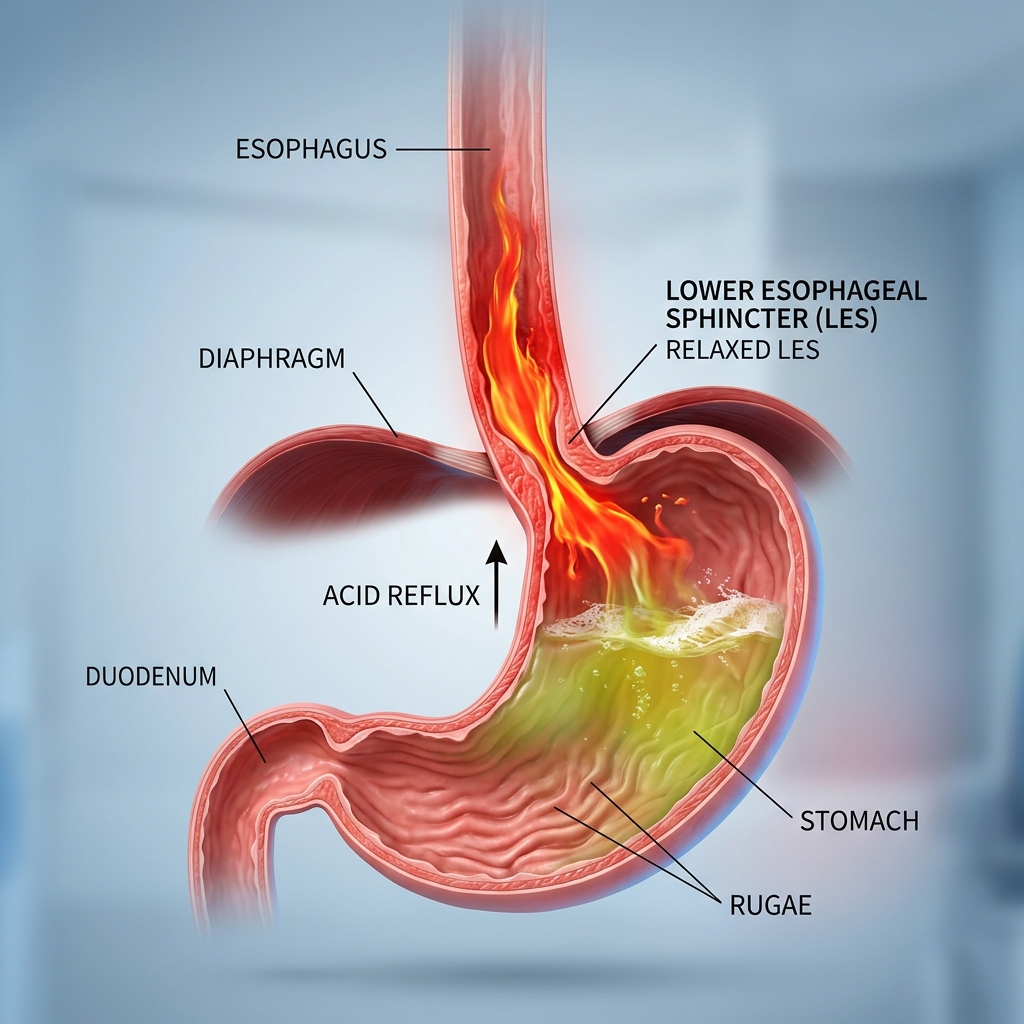
- Heartburn: A specific symptom of acid reflux, characterized by a painful, burning sensation in the chest, just behind the breastbone. It occurs when stomach acid flows back up (refluxes) into the esophagus (food pipe), which lacks the stomach's acid-protective lining.
- Indigestion (Dyspepsia): A general term describing discomfort or pain in the upper abdomen. It is characterized by feeling full too quickly during a meal, uncomfortable fullness after eating, bloating, and nausea.
- Gas Problem (Flatulence & Belching): Refers to the accumulation of gas in the digestive tract. Gas enters your system when you swallow air or when bacteria in your large intestine break down undigested food, leading to bloating, burping (belching), or passing gas (flatulence).
Identifying which of these symptoms you are experiencing helps your doctor determine the most appropriate diagnostic path and treatment plan.
What Causes Frequent Acidity and Gas?
Acidity and gas are closely linked to what we eat, how we eat, and our overall lifestyle choices. Common triggers include:
Food and Dietary Triggers
Diets high in spices, fats, and oils (such as fried street food) stimulate excess acid production and slow down stomach emptying. Carbonated beverages, excessive tea or coffee, citrus fruits, tomatoes, onions, garlic, and chocolate are also well-known triggers for acid reflux. Trapped gas is often caused by eating high-fiber foods (beans, lentils, cabbage) too quickly, or drinking carbonated sodas.
Lifestyle Habits
Eating large meals, skipping breakfast, or eating at irregular timings disrupts the biological clock of gastric acid secretion. Lying down immediately after eating allows gravity to pull stomach acid back up into the esophagus. Smoking, alcohol consumption, and chronic stress also weaken the lower esophageal sphincter (LES), the muscular valve that prevents acid reflux.
Underlying Medical Conditions
Frequent acidity and gas can be symptoms of structural or functional disorders, including:
- GERD (Gastroesophageal Reflux Disease): A chronic, more severe form of acid reflux.
- Peptic Ulcer Disease: Open sores in the lining of the stomach or duodenum, often caused by H. pylori infection or overuse of painkillers.
- Hiatal Hernia: A condition where the upper stomach pushes up through the diaphragm, weakening the acid barrier.
- IBS (Irritable Bowel Syndrome): A functional bowel disorder causing chronic gas, bloating, and changes in bowel habits.
When Are Acidity and Gas Considered Normal?
Occasional acidity or gas is a normal physiological response. For example, experiencing mild bloating after eating a heavy meal of lentils and flatbread, or having mild heartburn after eating highly spiced street food, is normal. These occasional symptoms typically:
- Occur rarely (less than once or twice a month).
- Resolve quickly within a few hours.
- Are easily managed with short-term dietary adjustments, drinking warm water, or taking an occasional over-the-counter antacid.
However, if your symptoms occur more than twice a week, last for several weeks, or interfere with your sleep and daily activities, they are no longer considered normal and warrant professional medical advice.
The Risks of Repeated Self-Medication
When dealing with acidity, many people in India repeatedly buy over-the-counter antacids or daily proton pump inhibitors (PPIs) without a prescription. While these medications provide rapid, temporary relief, long-term self-medication is not appropriate and carries significant health risks:
- Masking Serious Conditions: Suppressing acid symptoms can hide active peptic ulcers, gallstone diseases, or even early-stage stomach or esophageal cancers, delaying essential diagnoses.
- Nutrient Deficiencies: Stomach acid is vital for absorbing key nutrients. Long-term acid suppression can lead to poor absorption of calcium (increasing osteoporosis and fracture risks), vitamin B12 (causing nerve issues and anemia), and magnesium.
- Increased Infection Risk: Stomach acid acts as a natural barrier against ingested pathogens. Suppressing it increases susceptibility to gut infections, including *Clostridium difficile* (*C. diff*) and food poisoning.
Acid-suppressing medications should only be taken for the duration and dosage recommended by a qualified gastroenterologist.
Warning Signs: When You Must See a Doctor Immediately
Certain "red flag" symptoms indicate that your acidity or gas is a sign of a more serious, potentially dangerous condition. Seek immediate medical attention if you experience:
- Difficulty Swallowing (Dysphagia): Feeling like food is stuck in your throat or chest, which can indicate structural narrowing or esophageal tumors.
- Unexplained Weight Loss: Losing weight without trying, suggesting chronic inflammation or malignancy.
- Vomiting Blood (Hematemesis) or Passing Black, Tarry Stools (Melena): Indicating active bleeding in the stomach or esophagus.
- Persistent Vomiting: Inability to keep food or liquids down.
- Chest Pain: Severe, crushing chest pain that spreads to the arm, jaw, or back, which can mimic heartburn but is actually a sign of a heart attack.
How Do Doctors Diagnose Chronic Acidity and Gas?
To identify the root cause of persistent symptoms, a gastroenterologist may recommend one or more diagnostic tests:
Upper GI Endoscopy
A quick, 5-10 minute outpatient procedure where a thin, flexible scope is guided down the esophagus and stomach. It allows the doctor to check for inflammation (esophagitis, gastritis), ulcers, strictures, or hiatal hernias, and take biopsies to check for H. pylori infection.
Esophageal pH Monitoring
A test that measures how often and for how long stomach acid enters the esophagus over a 24-hour period, helping confirm a diagnosis of GERD.
Esophageal Manometry
A diagnostic test that measures the strength and coordination of muscle contractions in the esophagus and the lower esophageal sphincter, identifying motility disorders.
General Lifestyle Measures for Relieving Acidity and Gas
For most individuals, implementing consistent lifestyle and dietary habits is the cornerstone of managing acidity and gas:
- Eat Mindfully: Consume smaller, more frequent meals rather than large, heavy portions. Chew your food slowly and avoid talking while eating to prevent swallowing excess air.
- Avoid Late-Night Meals: Finish your dinner at least 2 to 3 hours before going to bed. This gives your stomach sufficient time to empty, preventing acid from refluxing when you lie down.
- Elevate the Head of Your Bed: If you suffer from nighttime heartburn, raise the head of your bed by 6 to 9 inches using blocks under the bedposts. Using extra pillows is not recommended, as it bends the neck and can increase abdominal pressure.
- Maintain a Food Diary: Identify and eliminate your specific triggers, such as citrus, caffeine, carbonated drinks, or deep-fried foods.
- Manage Weight and Stress: Excess abdominal weight puts pressure on the stomach, forcing acid upward. Stress triggers hormone releases that increase acid production and gut sensitivity.
Role of Dr. Vikas Sengar for Acidity Treatment in Kanpur
If lifestyle modifications are not providing relief, or if your symptoms are chronic and recurring, it is time to consult a specialist. Dr. Vikas Sengar, a leading gastroenterologist and stomach specialist in Kanpur, offers comprehensive care for patients dealing with acid reflux, GERD, chronic bloating, and peptic ulcers.
With a DM in Gastroenterology from SGPGI Lucknow and 10+ years of clinical experience, Dr. Sengar provides safe, evidence-based diagnostic evaluations using advanced upper GI endoscopies and designs personalized medical and lifestyle management plans. Practicing at Medi Help Hospital, Sarvodaya Nagar, Kanpur, Dr. Sengar ensures a compassionate, patient-first approach to digestive wellness.
Frequently Asked Questions (FAQs)
Q1: Why does acidity cause chest pain?
Acidity causes chest pain (heartburn) when stomach acid flows back up into the esophagus. Because the esophagus does not have the protective lining that the stomach has, the acid causes chemical irritation and inflammation of the esophageal wall, triggering a burning sensation that can feel like chest pain.
Q2: Can drinking milk relieve acidity?
While drinking cold milk can provide temporary relief by coating the stomach lining and neutralizing acid, the calcium and proteins in milk can actually stimulate the stomach to produce more acid later on, potentially worsening symptoms. Low-fat or skimmed milk is a safer option.
Q3: How is a gas problem related to chest tightness?
Excess gas in the stomach or colon can cause bloating, which presses against the diaphragm. This pressure can cause a sensation of chest tightness, fullness, or mild breathlessness, which many patients mistake for a heart issue. However, any unexplained chest pain must be evaluated to rule out cardiac causes.
Q4: Is it safe to take antacids daily?
No. Taking antacids daily is not safe. While they provide quick relief, daily use can mask serious conditions like ulcers or GERD and lead to side effects like bowel changes, nutrient deficiencies, or kidney issues. Daily symptoms require evaluation by a gastroenterologist.
Q5: What are the main symptoms of GERD?
The main symptoms of GERD (Gastroesophageal Reflux Disease) include frequent heartburn (more than twice a week), regurgitation of sour or bitter fluid, difficulty swallowing, a chronic dry cough, hoarseness, and a feeling of a lump in the throat.
Conclusion & Consultation
Acidity and gas are common issues, but they do not have to be a daily struggle. Reversing chronic discomfort starts with identifying triggers and getting a precise diagnosis rather than relying on endless self-medication. Book a consultation with Dr. Vikas Sengar for evaluation of digestive and liver-related concerns at Medi Help Hospital in Sarvodaya Nagar, Kanpur. To schedule your visit, call +91 98398 00199 or visit our online appointment booking portal.