
Gastroenterology · August 23, 2026 · 11 min read
ERCP vs Surgery: When Is ERCP Recommended for Bile Duct Problems?
By Dr. Vikas Sengar
Key takeaways
- ERCP is a specialized, minimally invasive endoscopic procedure used specifically to treat blockages inside the bile and pancreatic ducts.
- Traditional surgery (laparoscopic or open) is preferred for removing the gallbladder or reconstructing severely damaged ducts.
- ERCP offers key benefits over surgery, including zero external abdominal incisions, outpatient delivery, and faster recovery.
- A combined approach is common: ERCP clears duct stones first, followed by keyhole surgery to remove the gallbladder.
When patients are diagnosed with biliary system problems—such as gallstones that have slipped into the common bile duct, bile duct narrowing (strictures), or post-surgical bile leaks—they are often faced with a choice between different medical treatments. The two main options are ERCP (Endoscopic Retrograde Cholangiopancreatography) and traditional surgery (laparoscopic or open). For a patient in pain, trying to understand the differences between an endoscopic procedure and a surgical operation can be overwhelming. In Kanpur, advances in interventional endoscopy have made ERCP the preferred, primary treatment for most duct-related blockages, reducing the need for invasive surgeries. However, ERCP and surgery are not competing treatments; rather, they are complementary tools used for different parts of the biliary tract. Understanding when ERCP is recommended over surgery can help you make informed decisions about your health. If you are facing a biliary issue, seeking a consultation for advanced ERCP treatment in Kanpur under a qualified gastroenterologist in Kanpur is the first step. In this detailed patient guide, we will compare ERCP and surgery, explain when each is recommended, and discuss how they are used together.
Understanding the Biliary System and Biliary Blockages
To understand the roles of ERCP and surgery, it helps to look at the anatomy of the biliary system. The liver produces bile, which travels through small channels into a main tube called the common bile duct. The gallbladder is a small storage pouch attached to the side of this duct. It stores and concentrates bile, releasing it into the intestine when you eat a meal to help digest fats. Biliary blockages occur when:
- A gallstone travels out of the gallbladder and becomes stuck in the common bile duct (choledocholithiasis).
- The duct walls narrow due to inflammation, previous surgery scars, or chronic disease (strictures).
- A tumor in the bile duct or head of the pancreas compresses the duct from the outside.
When bile cannot flow, it backs up into the liver and blood, causing obstructive jaundice, severe abdominal pain, and a dangerous infection called cholangitis.
What Is ERCP?
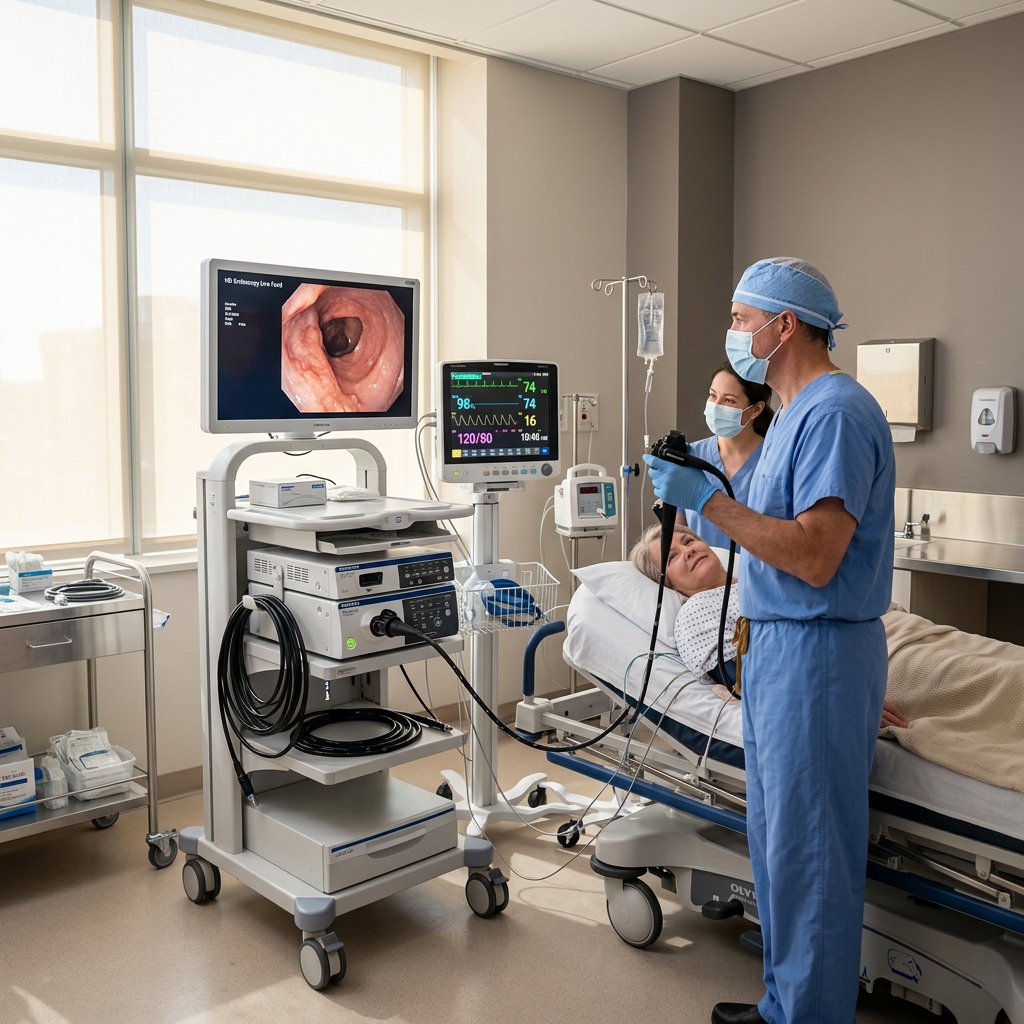
ERCP is a specialized procedure that combines upper GI endoscopy with X-ray imaging. An interventional gastroenterologist passes a thin, flexible tube with a camera (a duodenoscope) through your mouth, down the esophagus and stomach, and into the first part of the small intestine (duodenum). Once the opening of the bile duct (papilla) is located, the specialist inserts a tiny catheter and injects a contrast dye. X-ray images are then taken to visualize the blockages. Using specialized tools passed through the scope, the doctor can perform treatments, such as cutting the sphincter muscle to release stones, extracting stones using wire baskets, dilating narrow ducts, or placing plastic or metal stents to keep ducts open. Because the scope enters through the mouth, there are no external incisions.
Comparing ERCP and Surgery: Key Differences
ERCP and traditional surgery differ in their approach, invasiveness, and focus:
1. Level of Invasiveness
- ERCP: Minimally invasive. It is performed under sedation or light anesthesia. The scope enters through natural passageways (the mouth), leaving zero abdominal scars or external wounds.
- Surgery: Invasive. Whether performed laparoscopically (keyhole surgery with 3 to 4 small abdominal incisions) or as open surgery (a single larger incision), it involves cutting through skin and muscle, requiring general anesthesia and sterile operating room setups.
2. Scope of Treatment
- ERCP: Focuses specifically on the *inside* of the bile and pancreatic ducts. It is designed to clear blockages, retrieve stones, or place stents. ERCP cannot, however, remove organs like the gallbladder.
- Surgery: Focuses on removing diseased structures (such as a gallbladder containing stones) or reconstructing ducts when they are severely damaged or transected.
3. Recovery and Hospital Stay
- ERCP: Typically performed as an outpatient procedure, or requires a brief 24-hour stay for monitoring. Most patients can return to normal daily activities within 2 to 3 days.
- Surgery: Requires a hospital stay ranging from 2 days (for laparoscopic surgery) to a week (for open surgery). Recovery takes several weeks as the abdominal muscles and incisions heal.
When Is ERCP Recommended Over Surgery?
Gastroenterologists recommend ERCP as the primary treatment for conditions affecting the internal channels of the bile ducts:
- Common Bile Duct Stones (Choledocholithiasis): If an ultrasound or MRCP shows a stone has traveled out of the gallbladder and is blocking the common bile duct, ERCP is the preferred method to retrieve it. Standard gallbladder surgery cannot easily access the inside of this deep duct.
- Acute Cholangitis: A medical emergency where a blocked bile duct becomes infected with bacteria. An urgent ERCP is performed to drain the infected bile and restore flow, which can save the patient's life.
- Biliary Strictures: For narrowing of the bile duct caused by chronic inflammation or tumors. During an ERCP, the specialist can dilate the duct using tiny balloons and insert a stent to bypass the blockage.
- Post-Surgical Bile Leaks: Occasionally, after a gallbladder removal, bile can leak from a small branch duct in the liver. ERCP is used to place a temporary stent, directing bile away from the leak and allowing the tissue to heal.
When Is Surgery Preferred Over ERCP?
Surgery remains the correct clinical choice when the problem lies outside the bile ducts or involves structural damage that endoscopy cannot reach:
- Gallstones Inside the Gallbladder (Cholelithiasis): ERCP cannot reach inside the gallbladder to remove stones, and it cannot remove the gallbladder itself. If your stones are inside the gallbladder, a laparoscopic cholecystectomy (gallbladder removal surgery) is required.
- Large or Impacted Duct Stones: If a stone in the common bile duct is very large (typically over 1.5 cm) or wedged so tightly that endoscopic baskets cannot grasp it, surgical exploration of the duct is required.
- Bile Duct Transection: A rare complication of gallbladder surgery where the main bile duct is accidentally cut or severed. This requires surgical reconstruction, such as a hepaticojejunostomy (sewing the duct directly to the small intestine).
The Combined Approach: How ERCP and Surgery Work Together
For many patients, the ideal treatment is a combined, two-step approach. If a patient has gallstones in their gallbladder *and* a stone has slipped into the common bile duct, the treatment plan is:
- Step 1 (ERCP): The gastroenterologist performs an ERCP to clear the stone from the common bile duct, relieving jaundice and preventing cholangitis.
- Step 2 (Laparoscopic Surgery): Once the duct is clear and the patient is stable, a laparoscopic surgeon removes the gallbladder (cholecystectomy) to prevent future stones from slipping into the duct.
Role of Dr. Vikas Sengar: ERCP Specialist in Kanpur
Performing an ERCP requires highly specialized training, precision, and advanced hospital infrastructure. Dr. Vikas Sengar provides expert interventional biliary care at Medi Help Hospital, Sarvodaya Nagar, Kanpur.
With a DM in Gastroenterology from SGPGI Lucknow and over 10 years of clinical experience, Dr. Sengar is a leading expert in performing complex ERCP procedures. Equipped with high-definition fluoroscopy and advanced endoscopic suites, Dr. Sengar specializes in clearing common bile duct stones, dilating biliary strictures, placing metal or plastic stents for tumors, and managing bile leaks. He works closely with leading laparoscopic surgeons in Kanpur to coordinate combined care plans, ensuring patients receive the safest and most effective treatment for their biliary concerns.
Frequently Asked Questions (FAQs)
Q1: Does ERCP require incisions?
No. ERCP does not require any external incisions on your abdomen. The specialized endoscope is guided through your mouth, throat, and stomach into the small intestine, accessing the bile ducts from the inside.
Q2: What is the most common risk of an ERCP?
The most common complication of ERCP is pancreatitis (inflammation of the pancreas), occurring in 3% to 5% of cases. It happens because the pancreatic duct can be irritated by contrast dye injection or instruments. Most cases are mild and resolve with a short hospital stay and IV fluids.
Q3: Can ERCP remove the gallbladder?
No. ERCP is used to treat problems *inside the bile ducts*. It cannot reach inside the gallbladder or remove the organ. If your gallbladder contains stones and needs to be removed, you will need a surgical procedure (cholecystectomy).
Q4: How long is the recovery after an ERCP?
Recovery is relatively quick. Most patients stay in the hospital for observation for a few hours or overnight, and can return to light, normal activities within 48 to 72 hours. You may experience a mild sore throat for a day or two from the endoscope.
Q5: What is the cost of ERCP treatment in Kanpur?
The cost of ERCP in Kanpur depends on the complexity of the procedure (e.g., stone removal vs. metal stent placement). At Medi Help Hospital, we offer transparent billing. Please contact our biliary desk for a detailed quote based on your referral.
Conclusion & Consultation
Biliary tract problems require careful clinical evaluation to choose the safest treatment option. Relying on self-prescribed remedies for jaundice or duct pain can worsen blockages. Book a consultation with Dr. Vikas Sengar for evaluation of digestive and liver-related concerns at Medi Help Hospital in Sarvodaya Nagar, Kanpur. To schedule your visit, call +91 98398 00199 or visit our online appointment booking portal.