
Gastroenterology · August 23, 2026 · 11 min read
Anal Fissure: Symptoms, Causes, Prevention and Treatment
By Dr. Vikas Sengar
Key takeaways
- An anal fissure is a small tear in the lining of the anus, causing sharp, tearing pain and minor bleeding during bowel movements.
- The primary trigger is passing hard, dry stools due to constipation, or severe diarrhea.
- Most acute fissures heal within 6 weeks using sitz baths, fiber, and sphincter-relaxing ointments.
- Chronic fissures (lasting over 6 weeks) may require medical interventions like Botox injections or surgery (LIS).
Experiencing severe pain during or after a bowel movement can be deeply distressing. Many patients describe the sensation as "passing broken glass" or feeling a sharp, tearing cut. This painful symptom is the hallmark of an anal fissure. Because the pain can persist for hours after defecation, patients often develop a fear of going to the toilet, leading them to delay bowel movements. This delay makes the stool harder and dry, which tears the lining further during the next attempt, creating a painful cycle of non-healing. In Kanpur, diets rich in processed flours (maida) and low in dietary fiber, combined with low water intake during busy workdays, make constipation and resulting anal fissures very common. If you are struggling with these symptoms, seeking specialized fissure treatment in Kanpur under a qualified stomach specialist in Kanpur is essential to break the cycle of pain. In this detailed patient education guide, we will discuss what anal fissures are, outline their causes and symptoms, differentiate between acute and chronic forms, and explain treatment and prevention guidelines.
What Is an Anal Fissure?
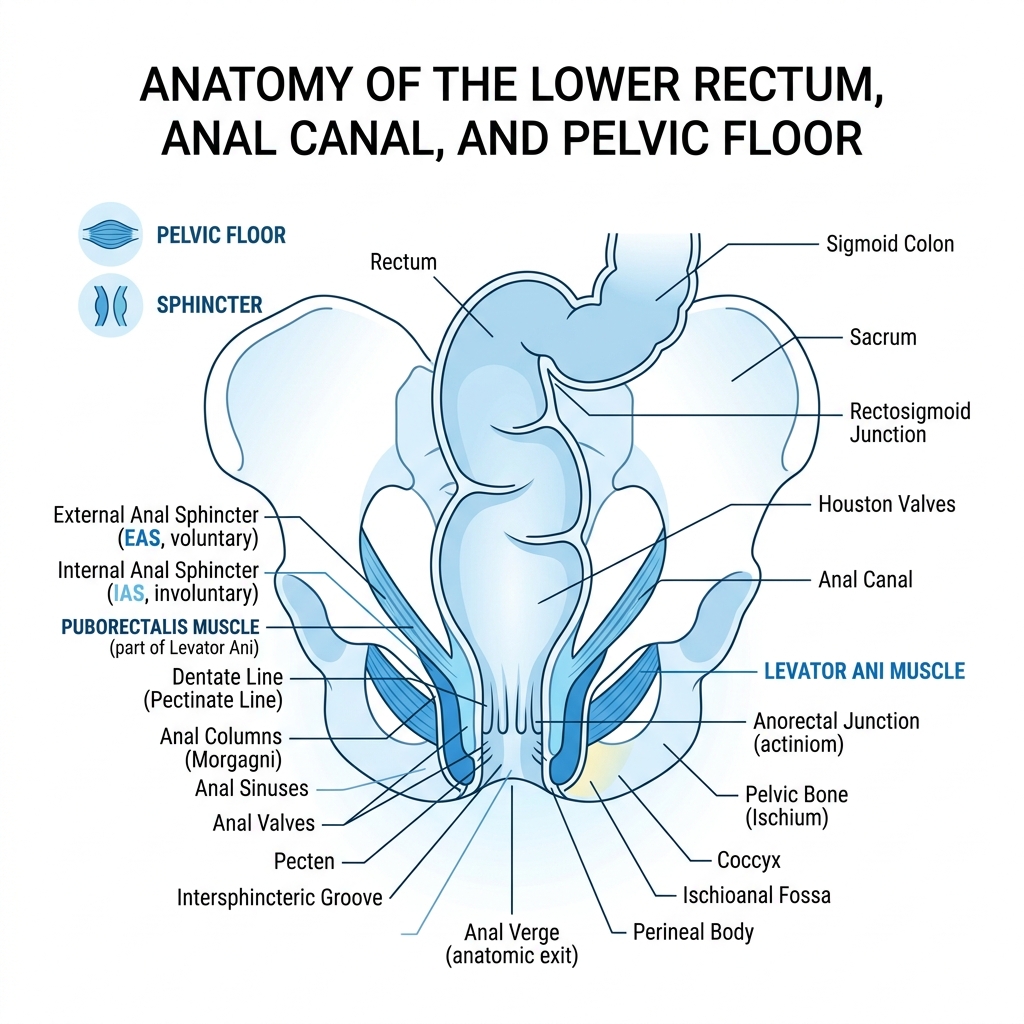
An anal fissure is a small, superficial tear or cut in the lining of the anal canal (the anoderm). This lining is rich in pain-sensing nerves, which explains why even a tiny tear can cause severe pain. Most fissures occur along the midline of the anus (usually the posterior midline), where the blood supply is naturally weaker. When a tear occurs, the underlying internal anal sphincter muscle undergoes spasms. This spasm pulls the edges of the tear apart, increases pressure in the anal canal, restricts blood flow to the tissue, and prevents the fissure from healing.
Key Symptoms of an Anal Fissure
Anal fissures present with a classic combination of symptoms:
- Sharp, Tearing Pain: Occurs during a bowel movement and can persist as a dull, burning ache for several minutes to hours afterward.
- Bright Red Blood: Visible on toilet paper, wiping wipes, or as a few drops in the toilet bowl. The blood is separate from the stool, not mixed inside it.
- Visible Tear: A small cut in the skin around the anus, visible during a physical examination.
- Sentinel Pile (Skin Tag): In chronic fissures, a small skin tag or lump forms at the outer edge of the tear due to chronic inflammation.
Common Causes of Anal Fissures
Anal fissures are typically caused by physical trauma to the anal canal, resulting from:
- Passing Hard, Large Stools: The most common cause. Constipation causes stools to become dry and bulky, stretching and tearing the anal lining.
- Chronic Diarrhea: Frequent loose stools irritate and inflame the delicate anal lining, making it prone to tearing.
- Childbirth: The intense stretching of the anal canal during vaginal delivery can cause a tear.
- Inflammatory Bowel Disease (IBD): Autoimmune conditions like Crohn's disease cause chronic inflammation of the digestive tract lining, making the anal tissue fragile and prone to atypical fissures.
- Tight Anal Sphincter: Having naturally high muscle tone in the internal anal sphincter increases pressure in the anal canal, restricting blood flow and raising the risk of tearing.
Acute vs. Chronic Anal Fissures
Gastroenterologists classify anal fissures based on how long they have been present:
- Acute Anal Fissure: A fresh, superficial tear that has been present for less than six weeks. It looks like a simple cut and has a high chance of healing with conservative care.
- Chronic Anal Fissure: A tear that has persisted for more than six weeks. It typically has deeper, exposed muscle fibers, swollen edges, and a skin tag (sentinel pile) at its base. Chronic fissures are resistant to simple dietary measures because muscle spasms restrict local blood flow.
Effective Treatment Options
Fissure treatment focuses on softening stools to prevent further trauma, and relaxing the anal sphincter muscle to reduce pain and improve blood flow:
1. Conservative and Lifestyle Management (First Line)
- Increase Fiber and Water: Eat fiber-rich foods and drink 2.5 to 3 liters of water daily to keep stools soft and bulky.
- Stool Softeners: Bulking laxatives (like psyllium husk) or osmotic softeners make bowel movements painless.
- Warm Sitz Baths: Soaking the perianal area in warm water for 15 minutes, 2 to 3 times a day, relaxes the internal sphincter muscle, relieves spasms, and reduces pain.
- Avoid Straining: Do not strain or sit on the toilet for long periods. Use a footstool to improve the defecation angle.
2. Topical Medical Treatment
If lifestyle changes are not enough, a doctor will prescribe topical ointments to relax the sphincter muscle:
- Nitroglycerin Ointment (GTN): Relaxes the internal anal sphincter muscle, reducing pressure and increasing blood flow to promote healing. It can cause headaches as a side effect.
- Calcium Channel Blockers (Diltiazem/Nifedipine): Applied topically to relax the sphincter muscle. They are as effective as GTN but have fewer side effects (like headaches).
3. Advanced Outpatient Treatments
For chronic fissures that do not respond to ointments:
- Botox Injection: Injecting botulinum toxin directly into the internal anal sphincter muscle paralyzes it temporarily (for 2 to 3 months). This relieves spasms, eliminates pain, and allows the fissure to heal.
- Lateral Internal Sphincterotomy (LIS): A minor surgical procedure where a tiny cut is made in the internal anal sphincter muscle to permanently reduce its tension. It is highly effective (over 95% success rate) and is reserved for chronic, non-healing fissures.
When to Consult a Gastroenterologist
You should see a specialist if your pain is severe, if you see blood in your stool, or if your symptoms do not improve after a week of home care. CLINICAL TIP: Fissures located away from the midline of the anus (lateral fissures) or multiple fissures can indicate underlying conditions like Crohn's disease, tuberculosis, or immune deficiencies, requiring a detailed evaluation.
Role of Dr. Vikas Sengar: Fissure Specialist in Kanpur
For patients dealing with painful anal fissures in Kanpur, receiving professional care is essential. Dr. Vikas Sengar provides advanced evaluations and personalized treatment plans at Medi Help Hospital, Sarvodaya Nagar, Kanpur.
With a DM in Gastroenterology from SGPGI Lucknow and over 10 years of clinical experience, Dr. Sengar specializes in diagnosing and treating anal fissures. He distinguishes fissures from piles, identifies atypical fissures that indicate Crohn's disease, and guides patients on dietary changes and sitz baths. He prescribes advanced topical diltiazem formulations, administers Botox injections, and performs high-definition colonoscopies to screen the intestinal lining, helping patients recover comfortably.
Frequently Asked Questions (FAQs)
Q1: What is the difference between piles and a fissure?
Piles are swollen veins in the rectal canal, presenting as painless bleeding, swelling, or a prolapsed lump. An anal fissure is a physical tear in the skin lining of the anus, causing sharp, severe pain during and after bowel movements, often with minor bright red bleeding.
Q2: Why does an anal fissure cause pain for hours after a bowel movement?
The pain is caused by spasms in the internal anal sphincter muscle. When stool passes and tears the lining, the muscle undergoes a continuous, involuntary contraction (spasm) to protect the area. This spasm cuts off blood supply and causes a deep, burning ache that can last for hours.
Q3: Can an anal fissure heal on its own?
Yes, most acute fissures (present for less than 6 weeks) heal on their own within a few days or weeks, provided you prevent constipation by eating fiber, staying hydrated, and taking warm sitz baths to relax the anal muscles.
Q4: What is a sitz bath and how does it help?
A sitz bath involves sitting in a shallow tub of warm water (without salt, soap, or antiseptic) for 15 minutes. The warm water relaxes the spasming anal sphincter muscle, reduces pressure, improves local blood flow, and keeps the area clean, promoting rapid healing.
Q5: What is a sentinel pile?
A sentinel pile is a small skin tag that develops at the lower edge of a chronic anal fissure. It forms due to chronic inflammation and swelling around the tear. It is not a true hemorrhoid (pile) but is a diagnostic sign of a chronic fissure.
Conclusion & Consultation
Anal fissures are highly painful but very treatable. You do not need to suffer through bowel movements or rely on temporary home remedies. Book a consultation with Dr. Vikas Sengar for evaluation of digestive and liver-related concerns at Medi Help Hospital in Sarvodaya Nagar, Kanpur. To schedule your visit, call +91 98398 00199 or visit our online appointment booking portal.