
Gastroenterology · August 23, 2026 · 11 min read
Fistula: Causes, Symptoms, Staging and Modern Treatment Options
By Dr. Vikas Sengar
Key takeaways
- An anal fistula is an abnormal tunnel connecting an infected gland inside the anal canal to the skin around the anus.
- Most fistulas develop from an anal abscess (an infected gland that forms a pocket of pus).
- Diagnostic staging using MRI Fistulogram is essential to map the fistula tract before surgery.
- Modern sphincter-saving treatments like LIFT, VAAFT, and Laser closure preserve bowel control.
Persistent pain, swelling, and fluid discharge around the anus are symptoms that require immediate medical attention. In many cases, these symptoms are caused by an anal fistula. Unlike simple infections, a fistula is a structural issue that almost never heals on its own. In Kanpur, where high humidity, dietary habits, and delayed medical consultations are common, minor perianal infections often progress to complex fistulas. Many patients try to manage the discharge using home remedies or antibiotics. While antibiotics can temporarily reduce swelling, they cannot close the physical tunnel of the fistula. Over time, an untreated fistula can form branch tunnels, making it complex and difficult to treat. If you are struggling with these symptoms, seeking specialized fistula treatment in Kanpur under a qualified stomach specialist in Kanpur is essential. In this detailed patient guide, we will discuss how fistulas form, outline their symptoms, explain diagnostic staging, and explore modern sphincter-saving treatment options.
What Is an Anal Fistula?
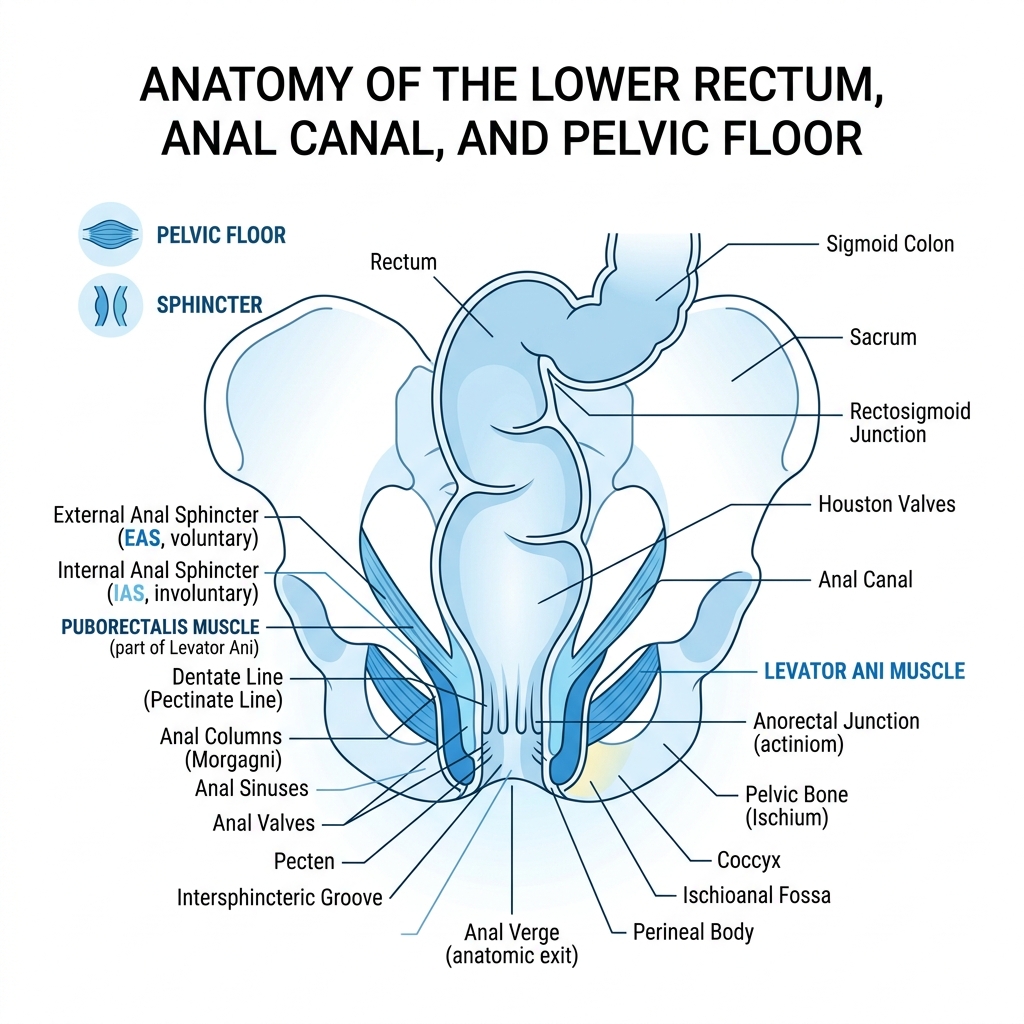
An anal fistula (fistula-in-ano) is an abnormal tunnel or tract that connects the inside of the anal canal to the skin surrounding the anus. The anus contains small glands that secrete mucus. If one of these glands becomes blocked, it can get infected, forming a collection of pus (a perianal abscess). If the abscess bursts open or is drained surgically, it can leave behind a small tunnel connecting the gland to the drainage site on the skin. This tunnel is an anal fistula.
Key Symptoms of an Anal Fistula
Anal fistulas present with a classic combination of chronic or recurring symptoms:
- Perianal Discharge: Continuous or intermittent leakage of pus, blood, or watery fluid from a small opening around the anus. The discharge can stain underwear and cause skin irritation.
- Pain and Swelling: Throbbing pain and swelling around the anus, which worsen when sitting, walking, or during bowel movements. The pain often improves temporarily when the fistula drains.
- Recurrent Abscesses: Recurring, painful infections in the perianal area.
- Fever and Chills: Occur if the drainage opening becomes blocked, trapping pus and causing a systemic infection.
Staging and Classification of Anal Fistulas
Fistulas are classified based on their relationship to the anal sphincter muscles (which control bowel movements). This classification (Parks' classification) is key to planning surgery and preserving bowel control:
- Intersphincteric Fistula: The tunnel runs between the internal and external sphincter muscles. This is the most common type and is simple to treat.
- Transsphincteric Fistula: The tunnel crosses through both the internal and external sphincter muscles. Treating it requires care to avoid damaging the muscles.
- Suprasphincteric Fistula: The tunnel loops over the sphincter muscles. These are complex fistulas that require advanced surgical techniques.
- Extrasphincteric Fistula: The tunnel starts high up in the rectum, bypassing the sphincter muscles completely. These are rare and complex.
Fistulas are also classified as Simple (single, low-lying tract) or Complex (high-lying tract, multiple openings, or branching tunnels).
How Anal Fistulas Are Diagnosed
Because the sphincter muscles are critical for bowel control, mapping the exact path of the fistula is essential before treatment:
- Clinical Examination: A doctor inspects the skin around the anus to locate the external opening and trace the tract.
- MRI Fistulogram: The gold standard diagnostic tool. An MRI provides detailed 3D images of the pelvic muscles, locating the internal opening and mapping any branch tunnels without pain.
- 3D Endoanal Ultrasound (EAUS): A test that uses an ultrasound probe inside the anal canal to map the relationship of the fistula tract to the sphincter muscles.
Modern Treatment Options: Preserving Sphincter Control
CLINICAL WARNING: Surgery is almost always necessary to cure an anal fistula. The goal of treatment is to close the tunnel while protecting the anal sphincter muscles to prevent fecal incontinence (loss of bowel control). Modern, sphincter-saving techniques have replaced older methods:
- Fistulotomy: The surgeon cuts open the entire length of the tunnel, converting it into an open groove that heals from the inside out. This is highly effective but is reserved only for low-lying, simple fistulas that do not cross the sphincter muscles.
- LIFT (Ligation of Intersphincteric Fistula Tract): A modern, sphincter-saving procedure. The surgeon makes a small incision between the sphincter muscles, locates the fistula tract, ties it off (ligates it), and cuts it. Because the sphincter muscles are not cut, the risk of incontinence is zero.
- Laser Fistula Closure (FiLaC): A mini-invasive laser procedure. A flexible laser fiber is inserted into the fistula tract. The laser energy destroys the lining of the tunnel and seals it closed. It causes minimal pain and allows for rapid healing.
- VAAFT (Video-Assisted Anal Fistula Treatment): A diagnostic and treatment technique. A tiny camera (endoscope) is guided through the fistula opening to view the inside of the tract. The surgeon destroys the lining under direct vision and seals the internal opening.
- Seton Placement: A thin loop of surgical thread (a Seton) is placed through the fistula tract. It remains in place for several weeks or months, keeping the tract open to drain pus and allow inflammation to resolve before a definitive closure procedure. Recommended for complex or high-lying fistulas.
When to Consult a Gastroenterologist
If you notice any unusual discharge, swelling, or pain in the perianal area, consult a specialist immediately. Delaying treatment can cause simple, low-lying fistulas to branch into complex, high-lying tracts that are difficult to cure.
Role of Dr. Vikas Sengar: Fistula Specialist in Kanpur
For patients dealing with anal fistulas in Kanpur, receiving care from an experienced specialist is essential. Dr. Vikas Sengar provides advanced diagnostic evaluations and coordinates modern treatments at Medi Help Hospital, Sarvodaya Nagar, Kanpur.
With a DM in Gastroenterology from SGPGI Lucknow and over 10 years of clinical experience, Dr. Sengar specializes in managing complex perianal conditions. He utilizes advanced diagnostic tools like MRI Fistulograms to map the tract, differentiates fistulas from other causes of discharge (such as Crohn's disease or hidradenitis), and coordinates care with proctology teams to offer modern, sphincter-saving laser (FiLaC) and LIFT procedures, helping patients achieve complete healing without risking bowel control.
Frequently Asked Questions (FAQs)
Q1: Can an anal fistula heal without surgery?
No. An anal fistula is a physical tunnel lined with scar tissue and bacteria. While antibiotics can temporarily clear infection and reduce discharge, they cannot close the tunnel. Surgery or modern laser procedures are required to close the tract and cure the condition.
Q2: Will fistula surgery cause stool incontinence (loss of control)?
Historically, older procedures (like radical fistulotomy for high tracts) carried a risk of muscle damage and incontinence. Today, modern sphincter-saving techniques like LIFT, VAAFT, and Laser closure (FiLaC) do not cut the sphincter muscles, reducing the risk of incontinence to almost zero.
Q3: What is the difference between an abscess and a fistula?
An anal abscess is an acute, painful collection of pus caused by an infected gland around the anus, presenting with severe swelling and fever. An anal fistula is a chronic, abnormal tunnel that remains after the abscess has ruptured or been drained, causing ongoing fluid discharge.
Q4: Why is an MRI Fistulogram recommended before surgery?
An MRI Fistulogram is recommended because the anal sphincter muscles are complex. The MRI provides a detailed map of the fistula tract, locating its internal opening and identifying any branch tunnels. This map is key to helping the surgeon choose a safe technique that protects bowel control.
Q5: How long does recovery take after modern laser fistula treatment?
Recovery after modern laser treatment (FiLaC) is rapid. Because there are no large open wounds, pain is minimal. Most patients can return to light activities and desk work within 2 to 3 days, though complete internal healing of the sealed tract takes 4 to 6 weeks.
Conclusion & Consultation
An anal fistula is a structural issue that requires professional medical evaluation, not home remedies or self-treatment. Reclaiming your health and comfort starts with a correct diagnosis and a modern, muscle-saving treatment plan. Book a consultation with Dr. Vikas Sengar for evaluation of digestive and liver-related concerns at Medi Help Hospital in Sarvodaya Nagar, Kanpur. To schedule your visit, call +91 98398 00199 or visit our online appointment booking portal.