Gastroenterology
What Causes Frequent Acidity? 10 Common Reasons You Should Know
Key takeaways
- Frequent acidity goes beyond simple indigestion; it is a chronic irritation of the stomach or food pipe lining.
- Key causes include physiological factors like a weak lower esophageal sphincter (LES) or H. pylori bacterial infections.
- Dietary and lifestyle habits—such as consuming spicy foods, regular tea/coffee, eating late, and high stress—are major triggers.
- Frequent, untreated acidity can lead to serious complications like peptic ulcers or Barrett's esophagus.
Occasional acidity is a familiar experience for most people. A heavy meal, a late-night feast, or a plate of spicy street food can trigger a temporary burning sensation in your chest or stomach. However, when acidity becomes a frequent or daily occurrence, it transforms from a minor annoyance into a significant health concern. In Kanpur, our local love for oily, deep-fried snacks like samosas, kachoris, and highly spiced foods, combined with irregular work schedules and high daily stress, makes chronic digestive issues very common. Many people repeatedly swallow antacid tablets or take self-prescribed proton pump inhibitors (PPIs) daily, hoping to mask the symptoms. Yet, ignoring the underlying triggers can lead to progressive damage to the esophagus and stomach lining. Understanding the root frequent acidity causes is essential for securing long-term relief. If you are experiencing persistent symptoms, consulting a qualified gastroenterologist in Kanpur can help you find a tailored treatment plan. In this comprehensive, patient-friendly guide, we will explore the physiology of acid production, outline the 10 most common reasons for frequent acidity, and explain when to seek professional medical advice.
What Is Gastric Acidity and How Does It Occur?
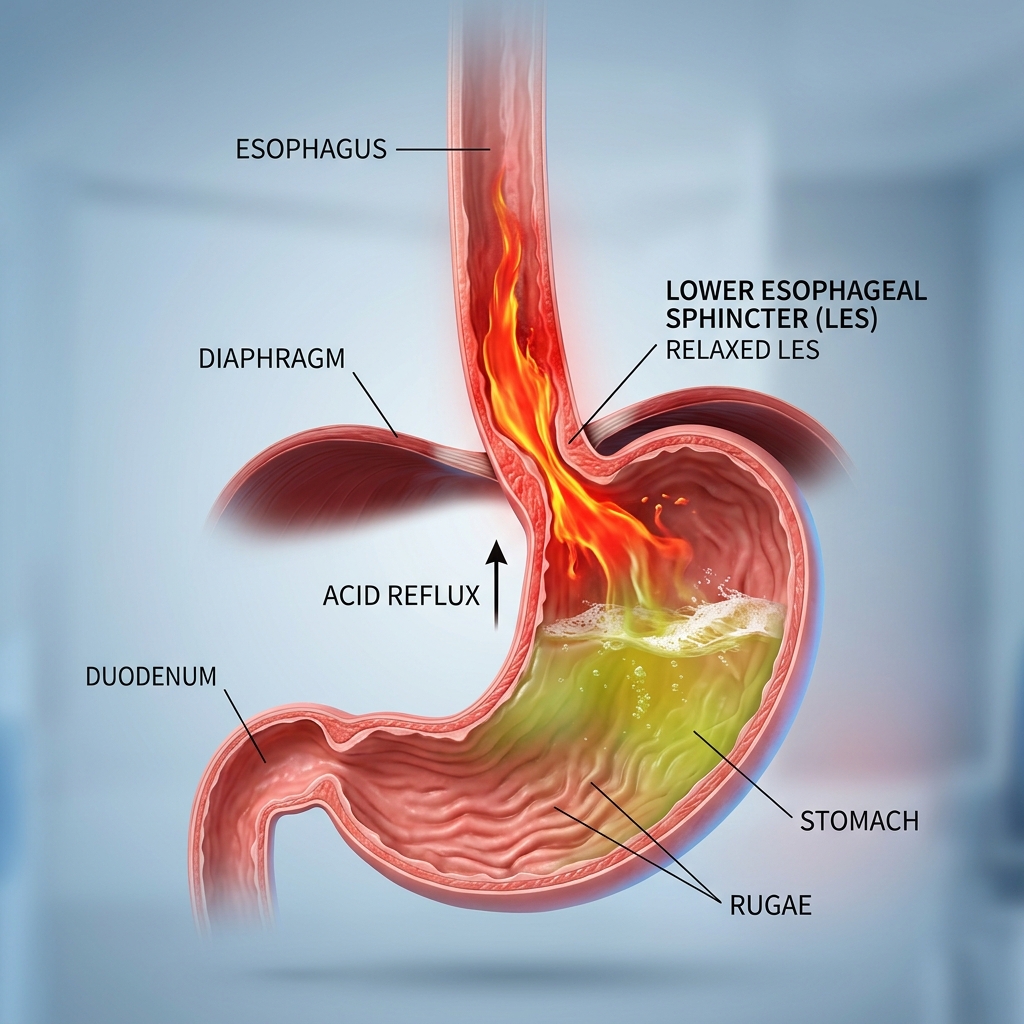
To understand why acidity becomes frequent, it helps to look at how the stomach functions. Your stomach naturally produces gastric acid (hydrochloric acid) to break down the food you eat and kill harmful bacteria. The lining of the stomach is specially adapted to withstand this highly acidic environment. However, the esophagus (food pipe) connecting your mouth to your stomach lacks this protective coating. A muscular ring called the lower esophageal sphincter (LES) acts as a one-way valve, opening to let food into the stomach and closing tightly to prevent acid from splashing back upward. Acidity symptoms occur when the stomach produces too much acid, or when the LES weakens or relaxes abnormally, allowing acid to escape into the esophagus (acid reflux). Over time, constant exposure to this acid causes chronic inflammation (esophagitis) and other complications.
10 Common Reasons for Frequent Acidity
Frequent acidity is rarely caused by just one factor. It is typically the result of a combination of physiological, dietary, and lifestyle triggers. Here are 10 common reasons you should know:
1. Helicobacter pylori (H. pylori) Infection
H. pylori is a common bacterial infection that targets the protective mucosal lining of the stomach. Once the lining is weakened, stomach acid can irritate the tissue, causing chronic gastritis and painful peptic ulcers. This infection is a leading cause of persistent, unexplained acidity and burning stomach pain, and it requires a specific course of antibiotics to clear.
2. Overuse of Painkillers (NSAIDs)
Frequently taking over-the-counter painkillers (Non-Steroidal Anti-Inflammatory Drugs) like ibuprofen, naproxen, or diclofenac for headaches, joint pain, or backaches is a major cause of acidity. These medications block the enzymes that maintain the stomach's protective lining, making it highly vulnerable to acid damage and ulceration.
3. Diet Rich in Spicy, Fatty, and Fried Foods
Eating highly spiced curries, deep-fried snacks, and fatty gravies stimulates the gastric glands to secrete excess acid. Additionally, high-fat foods delay stomach emptying (gastric emptying), meaning acid remains in the stomach for longer, increasing the likelihood of reflux.
4. Excessive Consumption of Caffeine, Tea, and Carbonated Drinks
Kanpur has a strong culture of daily tea consumption ("chai"). However, excessive intake of strong tea, coffee, carbonated sodas, and energy drinks relaxes the lower esophageal sphincter (LES) muscle, allowing acid to leak into the food pipe. Carbonated drinks also release gas, causing bloating and putting upward pressure on the LES.
5. Irregular Meal Timings and Skipping Breakfast
Your stomach produces acid in anticipation of meals based on your biological clock. When you skip meals, fast excessively, or eat at highly irregular times, the acid has no food to digest, leading to chemical irritation of the empty stomach lining and causing hunger-associated acidity.
6. Eating Late at Night
Eating a heavy dinner and going to bed immediately is a major trigger for nighttime acidity. When you lie down, gravity can no longer keep stomach acid in place. If your stomach is still digesting a heavy meal, the acid easily flows back into your esophagus, disrupting your sleep with severe heartburn or a sour taste in your mouth.
7. Obesity and Excess Abdominal Fat
Carrying excess weight, particularly around the abdomen, increases the physical pressure on your stomach. This intra-abdominal pressure pushes the stomach contents and acid upward through the lower esophageal sphincter, causing frequent reflux and acidity, especially when sitting or bending over.
8. Chronic Stress and Anxiety
The gut and the brain communicate constantly. When you are under chronic stress or anxiety, your body releases stress hormones that increase stomach acid production, slow down digestion, and make the nerves in your gut highly sensitive to even normal amounts of acid (visceral hypersensitivity).
9. Smoking and Alcohol Consumption
Nicotine in cigarettes relaxes the LES muscle and reduces saliva production (saliva helps neutralize refluxed acid). Alcohol directly irritates the stomach lining and increases gastric acid secretion, making both habits major causes of chronic acidity.
10. Hiatal Hernia
A hiatal hernia is a structural condition where the upper part of the stomach pushes upward through the small opening (hiatus) in the diaphragm into the chest cavity. This displacement weakens the barrier between the esophagus and the stomach, making acid reflux highly frequent and difficult to manage with lifestyle changes alone.
How Frequent Acidity Can Lead to GERD and Ulcers
If frequent acidity is ignored or continuously masked with self-prescribed medications, it can progress to more serious gastrointestinal conditions:
- GERD (Gastroesophageal Reflux Disease): A chronic form of acid reflux occurring more than twice a week, causing constant esophageal irritation.
- Esophageal Strictures: Chronic acid exposure leads to scarring and narrowing of the food pipe, causing difficulty in swallowing.
- Barrett's Esophagus: The cells lining the lower esophagus change to resemble intestinal cells due to chronic acid damage, increasing the risk of esophageal cancer.
- Peptic Ulcers: Deep, painful sores that develop in the stomach or duodenal lining, which can bleed or perforate, requiring urgent surgical or endoscopic intervention.
When to Consult a Gastroenterologist
While occasional heartburn can be managed at home, you should see a gastroenterologist if you experience any of the following warning signs:
- Acidity symptoms that occur more than twice a week and persist for several weeks.
- Symptoms that fail to improve despite taking over-the-counter antacids.
- Difficulty swallowing (dysphagia) or a feeling that food is stuck in your throat.
- Unexplained weight loss or loss of appetite.
- Passing black, sticky stools or vomiting blood (signs of active bleeding in the stomach).
How Doctors Evaluate Chronic Acidity
To identify the exact cause of your frequent acidity, a gastroenterologist may recommend one or more diagnostic evaluations:
- Upper GI Endoscopy (EGD): A quick outpatient procedure where a thin, flexible tube with a camera is guided into your stomach to check for inflammation, ulcers, hiatal hernia, or Barrett's esophagus, and to take painless biopsies.
- H. pylori Testing: Performed via a rapid stool test, breath test, or biopsy during an endoscopy.
- Esophageal pH Studies: A test that monitors acid levels in your food pipe over 24 hours to confirm GERD.
General Lifestyle Measures for Relief
Managing frequent acidity starts with simple, consistent lifestyle modifications:
- Eat smaller, more frequent meals to avoid stretching the stomach.
- Avoid sleeping for at least 2 to 3 hours after a meal.
- Elevate the head of your bed by 6 inches if you suffer from nighttime reflux.
- Limit your intake of oily street food, carbonated sodas, and excessive tea/coffee.
- Avoid tight clothing that puts pressure on your abdomen.
Role of Dr. Vikas Sengar for Acidity Treatment in Kanpur
For patients dealing with chronic, unresolved acidity in Kanpur, receiving care from a specialist is essential. Dr. Vikas Sengar, a leading gastroenterologist and stomach specialist in Kanpur, provides advanced diagnostic evaluations and personalized treatment plans at Medi Help Hospital, Sarvodaya Nagar, Kanpur.
With a DM in Gastroenterology from SGPGI Lucknow and over 10 years of clinical experience, Dr. Sengar specializes in pinpointing the exact triggers of frequent acidity—whether it is a hiatal hernia, an H. pylori infection, or severe GERD—and guides patients toward effective medical management, dietary modifications, and safe medication practices, helping them avoid the risks of long-term self-medication.
Frequently Asked Questions (FAQs)
Q1: Why does acidity cause a sour taste in the mouth?
A sour or bitter taste in the mouth is caused by acid regurgitation, where stomach acid and partially digested food flow all the way up the esophagus and enter the back of the throat and mouth, leaving a chemical residue.
Q2: Can drinking water help relieve acidity?
Yes, drinking a glass of water can help wash refluxed acid back down into the stomach and temporarily dilute the acid. However, drinking excessive amounts of water during or immediately after meals can bloat the stomach, putting pressure on the lower esophageal sphincter and worsening reflux.
Q3: Is chronic acidity hereditary?
While acidity itself is not directly inherited, certain predisposing factors can run in families, such as a genetic tendency toward a weak lower esophageal sphincter, a hiatal hernia, or shared lifestyle and dietary patterns within a household.
Q4: Why does my acidity worsen when I skip breakfast?
Your stomach continues to secrete a baseline level of acid even when empty. Skipping breakfast leaves this concentrated gastric acid with no food to digest, leading to direct chemical irritation of the unprotected stomach lining and triggering hunger-related burning pain.
Q5: Can frequent acidity cause throat pain or chronic cough?
Yes. Microscopic droplets of refluxed stomach acid can reach the vocal cords and throat, causing chronic irritation. This can present as a persistent sore throat, hoarseness, frequent throat clearing, or a chronic dry cough, a condition known as Laryngopharyngeal Reflux (LPR) or "silent reflux."
Conclusion & Consultation
Frequent acidity is a common symptom that shouldn't be dismissed or self-treated indefinitely. Reclaiming your digestive comfort starts with identifying your specific triggers and receiving a professional diagnosis. Book a consultation with Dr. Vikas Sengar for evaluation of digestive and liver-related concerns at Medi Help Hospital in Sarvodaya Nagar, Kanpur. To schedule your visit, call +91 98398 00199 or visit our online appointment booking portal.