
Gastroenterology · August 23, 2026 · 11 min read
GERD: Symptoms, Causes, Treatment and When to See a Gastroenterologist
By Dr. Vikas Sengar
Key takeaways
- GERD is a chronic, more severe form of acid reflux that occurs when stomach acid frequently flows back into the food pipe.
- Primary symptoms include frequent heartburn, regurgitation of food, chest pain, chronic dry cough, and difficulty swallowing.
- Left untreated, chronic GERD can lead to serious complications like esophageal strictures or precancerous Barrett's esophagus.
- Treatment involves lifestyle adjustments, weight loss, and medical management supervised by a gastroenterologist.
Almost everyone has experienced acid reflux at some point in their lives. A burning sensation in the chest after a spicy meal or a feeling of sour fluid rising in the throat is a common experience. However, when these symptoms occur regularly—more than twice a week—or begin to interfere with your sleep and daily activities, it is no longer simple acid reflux. It is a chronic medical condition known as Gastroesophageal Reflux Disease (GERD). In Kanpur, where a love for rich, fried street foods and strong tea is mixed with high-stress urban lifestyles, GERD is one of the most common complaints gastroenterologists evaluate. Many individuals rely on daily, self-prescribed antacids, unaware that persistent acid reflux can lead to long-term complications in the esophagus lining. For those seeking lasting relief and preventative care, finding advanced GERD treatment in Kanpur under the guidance of a specialist is essential. In this detailed patient education guide, we will discuss what GERD is, explore its symptoms and causes, outline potential complications, and discuss how a gastroenterologist in Kanpur evaluates and treats this condition.
What Is Gastroesophageal Reflux Disease (GERD)?
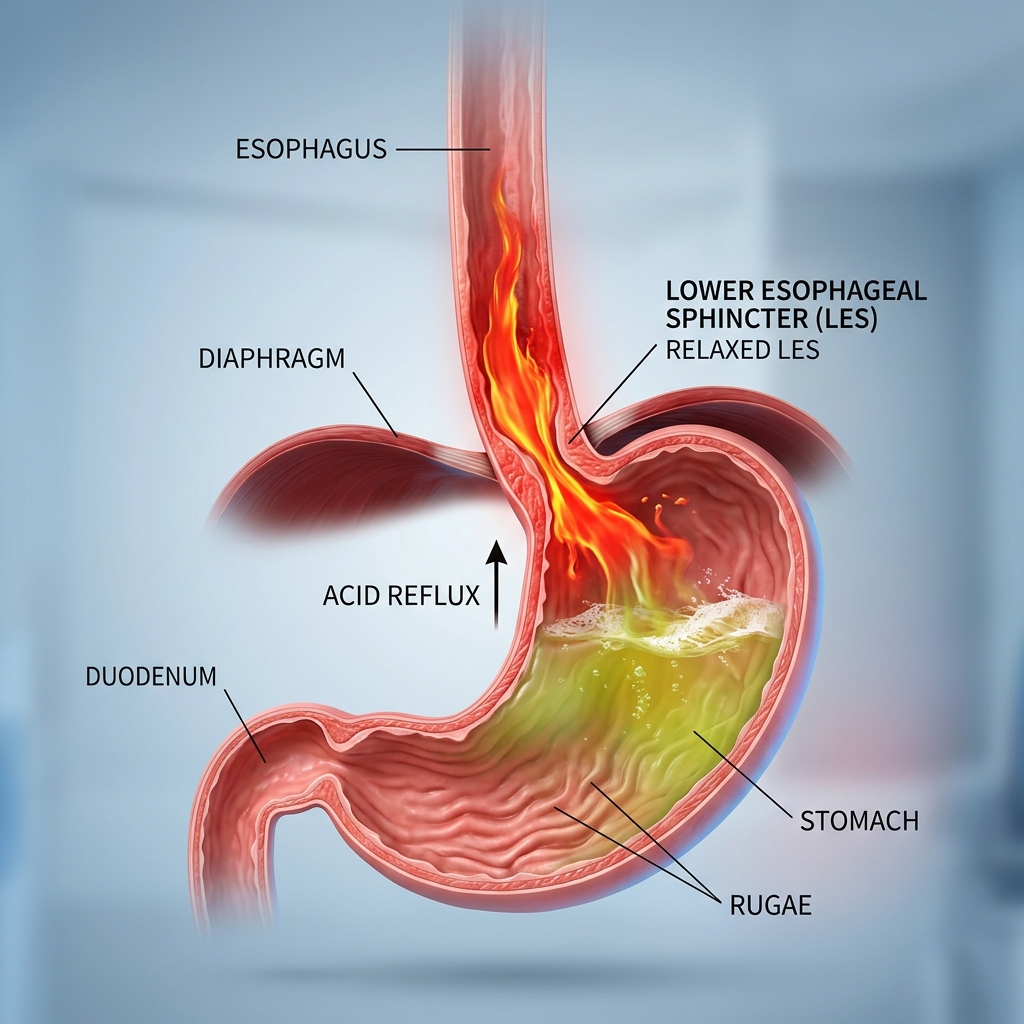
GERD is a chronic digestive disease that occurs when stomach acid, or occasionally bile, flows back (refluxes) into the food pipe (esophagus). This backwash of acid irritates the delicate lining of your esophagus. Under normal conditions, a muscular ring called the lower esophageal sphincter (LES) at the bottom of the esophagus acts as a one-way valve. It relaxes to allow food and liquid to enter your stomach and closes tightly immediately afterward. In patients with GERD, the LES is weak or relaxes abnormally, allowing gastric acid and partially digested food to escape back upward. Because the esophagus lacks the protective, acid-resistant lining that the stomach has, this reflux causes chemical irritation, inflammation, and pain.
Common Symptoms of GERD
While heartburn is the classic symptom of GERD, the disease can present with a wide range of symptoms, some of which affect areas outside the digestive tract:
Primary Symptoms
- Heartburn: A painful, burning sensation in the chest, just behind the breastbone, which often worsens after eating, in the evening, or when lying down or bending over.
- Regurgitation: The backflow of stomach acid or sour, bitter fluid into your throat or mouth, sometimes bringing up small amounts of food.
- Dysphagia: Difficulty swallowing or a sensation that food is moving slowly down your chest, which can indicate structural narrowing or inflammation of the esophagus.
- Non-Cardiac Chest Pain: A dull or burning ache in the center of the chest. Caution: Any unexplained chest pain must be evaluated promptly to rule out serious cardiac conditions.
Atypical or Extra-Esophageal Symptoms
- Chronic Dry Cough: A persistent cough caused by microscopic droplets of refluxed acid irritating the throat and airways.
- Laryngitis and Hoarseness: Acid reflux can irritate the vocal cords, causing a raspy voice, especially in the morning.
- Globus Sensation: A constant feeling of a "lump" in the throat or a persistent need to clear the throat.
- Asthma Flare-Ups: Refluxed acid can irritate the airways, triggering or worsening asthma symptoms.
What Causes GERD?
GERD develops when the physical barrier between the stomach and the esophagus is compromised. Common causes and predisposing factors include:
- LES Dysfunction: A weak lower esophageal sphincter is the most common cause. This can be caused by genetic factors, smoking, alcohol use, or certain medications.
- Hiatal Hernia: A structural condition where the upper part of the stomach pushes upward through the diaphragm into the chest cavity. This disrupts the normal mechanism of the LES, making acid reflux highly frequent.
- Obesity: Excess weight increases physical pressure on the abdomen, pushing the stomach contents and acid upward through the LES.
- Pregnancy: Hormonal changes relax body muscles, including the LES, while the growing uterus increases physical pressure on the stomach.
- Delayed Gastric Emptying (Gastroparesis): If the stomach takes too long to empty its contents into the small intestine, pressure builds up, forcing acid back into the esophagus.
Complications of Untreated GERD
Leaving GERD untreated or continuously masking it with self-treatment can lead to significant structural changes in the esophagus:
- Esophagitis: Inflammation of the esophagus lining, which can cause painful swallowing and bleeding.
- Esophageal Stricture: Over time, chronic acid damage causes scar tissue to build up, narrowing the food pipe and making it difficult for solid food to pass.
- Esophageal Ulcers: Deep, painful sores that develop in the lining of the food pipe, which can bleed and cause pain during swallowing.
- Barrett's Esophagus: In response to chronic acid exposure, the normal flat cells of the esophagus are replaced by cells that resemble the lining of the intestine. While Barrett's esophagus does not cause symptoms, it increases the risk of developing esophageal adenocarcinoma (cancer of the food pipe), requiring regular monitoring.
How Is GERD Diagnosed?
A gastroenterologist can often make a preliminary diagnosis of GERD based on your symptoms. However, if your symptoms are chronic, do not respond to initial treatments, or are accompanied by warning signs, diagnostic tests are recommended:
- Upper GI Endoscopy (EGD): A thin, flexible tube with a camera is guided down your throat to inspect the lining of your esophagus and stomach. It is the best test to identify esophagitis, strictures, hiatal hernias, or Barrett's esophagus, and to take painless biopsies.
- Esophageal pH Monitoring: A test that measures the amount of acid entering your esophagus over a 24-hour period, helping confirm GERD in patients with atypical symptoms.
- Esophageal Manometry: A test that measures the muscle contractions and coordination in your esophagus during swallowing, helping rule out motility disorders.
Treatment and Management of GERD
Effective management of GERD focuses on reducing acid production, strengthening the physical barrier, and protecting the esophagus lining. Treatment plans typically combine lifestyle modifications and medical therapies:
1. Diet and Lifestyle Adjustments
- Dietary Changes: Avoid known triggers such as oily fried foods, carbonated sodas, excessive strong tea/coffee, citrus fruits, tomatoes, onions, garlic, and chocolate.
- Mindful Eating: Eat smaller, more frequent meals to prevent stretching the stomach. Chew slowly and avoid lying down for at least 2 to 3 hours after eating.
- Elevate the Head of the Bed: Raise the head of your bed by 6 inches using blocks under the bedposts. This uses gravity to keep acid in your stomach during sleep.
- Weight Management: If you are overweight, losing even a small amount of weight can significantly reduce abdominal pressure and reflux.
- Quit Smoking: Nicotine relaxes the LES and reduces salivary neutralization of acid.
2. Medical Therapies
Your gastroenterologist may recommend specific medications to manage acid:
- Antacids: Provide quick, temporary relief by neutralizing stomach acid, but do not heal an inflamed esophagus.
- H2 Receptor Blockers: Reduce acid production for longer periods, providing relief for moderate symptoms.
- Proton Pump Inhibitors (PPIs): The most effective medications for reducing acid production and allowing the esophageal lining to heal.
- Prokinetics: Help speed up stomach emptying, reducing the pressure that causes reflux.
Role of Dr. Vikas Sengar for GERD Treatment in Kanpur
For patients seeking expert care and long-term relief from GERD in Kanpur, Dr. Vikas Sengar offers highly specialized clinical care. Practicing at Medi Help Hospital, Sarvodaya Nagar, Kanpur, Dr. Sengar provides advanced diagnostic evaluations and comprehensive management strategies.
With a DM in Gastroenterology from SGPGI Lucknow and over 10 years of clinical experience, Dr. Sengar is an expert in performing high-definition upper GI endoscopies to screen for reflux-related complications like Barrett's esophagus. He works closely with patients to design personalized plans that combine safe, supervised medication use with realistic dietary and lifestyle adjustments, helping them achieve lasting symptom relief and prevent complications.
Frequently Asked Questions (FAQs)
Q1: Is GERD a lifelong condition?
GERD is a chronic condition, which means it has a tendency to recur. However, for many patients, symptoms can be completely controlled and managed through consistent lifestyle changes and temporary medical therapy. Long-term management focuses on maintaining healthy habits to prevent flare-ups.
Q2: Why is my GERD worse at night?
GERD worsens at night because when you lie down, gravity can no longer help keep stomach acid in your stomach. Additionally, saliva production (which helps neutralize acid) and swallowing decrease during sleep, allowing refluxed acid to remain in the esophagus longer.
Q3: Can GERD cause asthma?
Yes, GERD and asthma are closely linked. Microscopic droplets of refluxed stomach acid can be inhaled into the airways, causing irritation, bronchospasm, and triggering or worsening asthma symptoms. Conversely, some asthma medications can relax the LES, worsening reflux.
Q4: What is the difference between acid reflux and GERD?
Acid reflux is the physical movement of stomach acid into the esophagus, which can happen occasionally and is normal. GERD (Gastroesophageal Reflux Disease) is the chronic, more severe stage of reflux, diagnosed when symptoms occur more than twice a week or cause complications like esophagitis.
Q5: When should I consider surgery for GERD?
Anti-reflux surgery (such as laparoscopic Nissen fundoplication) may be considered for patients who have severe, chronic GERD symptoms that do not improve with maximum medical therapy, those who experience persistent complications, or those who wish to avoid taking daily medications long-term.
Conclusion & Consultation
GERD is a manageable condition, but it requires a proactive approach to prevent complications. Relying on self-medication can mask progressive damage. Book a consultation with Dr. Vikas Sengar for evaluation of digestive and liver-related concerns at Medi Help Hospital in Sarvodaya Nagar, Kanpur. To schedule your visit, call +91 98398 00199 or visit our online appointment booking portal.