
Gastroenterology · August 23, 2026 · 11 min read
Dyspepsia (Indigestion): Symptoms, Causes and Treatment Options
By Dr. Vikas Sengar
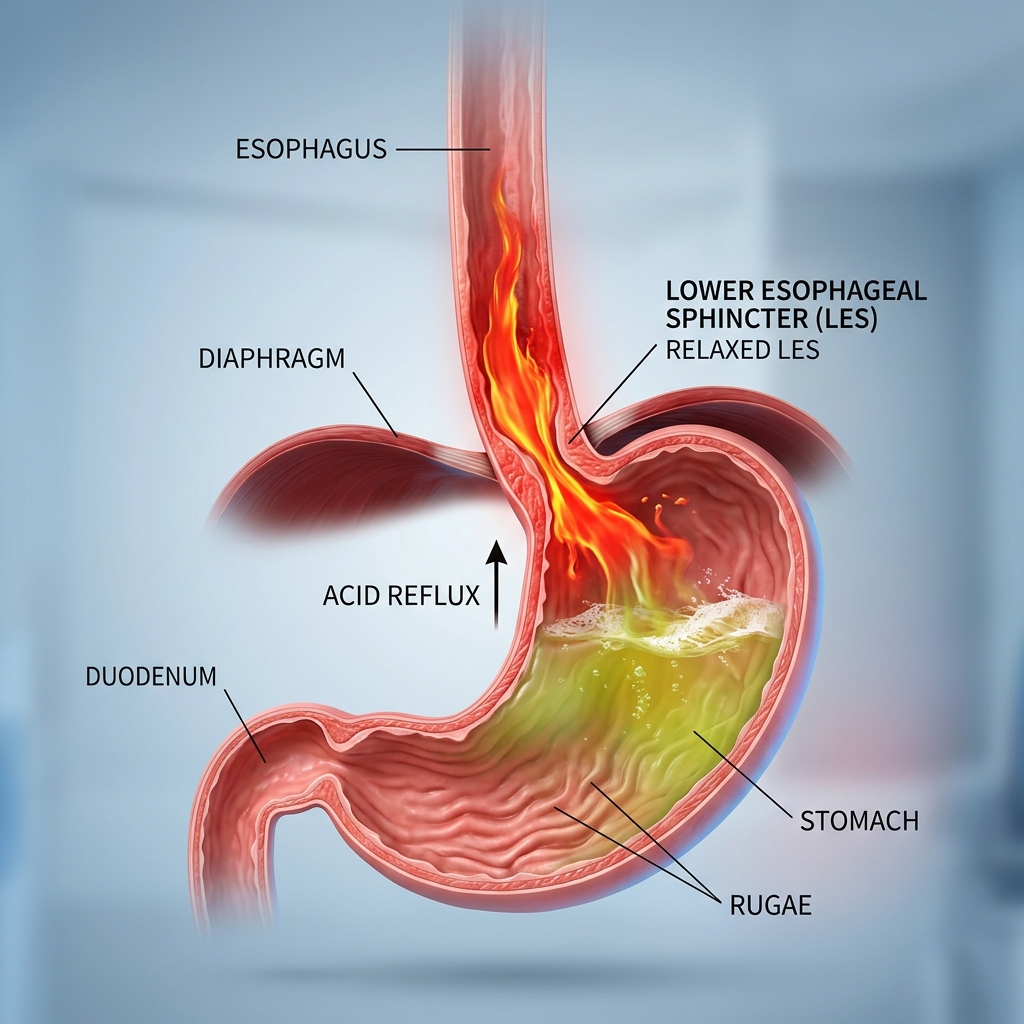
Key takeaways
- Dyspepsia (indigestion) is a medical term for a cluster of symptoms centered in the upper abdomen, rather than a single disease.
- It is classified as organic (caused by ulcers, GERD, or infections) or functional (no visible structural cause found).
- Common symptoms include postprandial fullness, early satiation, burning stomach sensations, and upper abdominal bloating.
- Alarm symptoms like difficulty swallowing, weight loss, or persistent vomiting require an immediate upper GI endoscopy.
Almost everyone has experienced indigestion at some point. A heavy meal or a late-night feast can leave you feeling uncomfortably full or bloated. However, when these symptoms become frequent, persistent, or occur after almost every meal, it is classified clinically as dyspepsia. In Kanpur, our local culinary habits, which often feature oil-rich street foods and deep-fried snacks, combined with high-stress daily schedules, make chronic indigestion a very common complaint. Many individuals rely on self-prescribed antacid gels or over-the-counter herbal digestives ("churan"), assuming they are dealing with simple gas. However, chronic dyspepsia can be a warning sign of an underlying condition like a peptic ulcer or H. pylori infection, or it may point to functional dyspepsia, which requires specialized care. If you are experiencing constant discomfort, finding professional indigestion treatment in Kanpur under the guidance of a leading gastro specialist in Kanpur is key to finding lasting relief. In this comprehensive patient guide, we will break down what dyspepsia is, explore its symptoms and causes, discuss potential complications, and outline diagnostic and treatment approaches.
What Is Dyspepsia (Indigestion)?
Dyspepsia is a clinical term used to describe a cluster of symptoms centered in the upper abdomen (the epigastric region, just below the breastbone). It is not a single disease, but a descriptive term for digestive discomfort. Gastroenterologists divide dyspepsia into two main categories:
- Organic Dyspepsia: Occurs when diagnostic tests (like an endoscopy) reveal a clear, physical cause for the symptoms, such as a peptic ulcer, gastroesophageal reflux disease (GERD), gastritis, gallstones, or chronic pancreatitis.
- Functional Dyspepsia (Non-Ulcer Dyspepsia): Diagnosed when a patient has persistent symptoms, but a thorough diagnostic workup (including endoscopy) shows no structural, chemical, or organic abnormalities. In these cases, the symptoms are related to abnormal gut sensitivity, delayed stomach emptying, or disrupted communication between the gut and the brain (gut-brain axis).
Common Symptoms of Dyspepsia
Dyspepsia can present with several different symptoms, which can vary in intensity and often overlap with acid reflux or bloating:
- Postprandial Fullness: An uncomfortable feeling that food remains in the stomach for too long after eating a normal-sized meal, causing a sensation of heavy pressure.
- Early Satiation: Feeling full shortly after starting a meal, even when you have only eaten a few bites, preventing you from finishing your food.
- Epigastric Pain: A dull ache or sharp pain located in the middle of the upper abdomen, between the belly button and the lower breastbone.
- Epigastric Burning: An uncomfortable, hot sensation in the upper stomach, which is different from the chest-focused burn of acid reflux (heartburn).
- Belching and Nausea: Frequent burping during or after meals, occasionally accompanied by a mild feeling of nausea.
10 Common Causes and Triggers of Indigestion
Dyspepsia can be triggered by a wide range of factors, from structural diseases to dietary habits:
1. Helicobacter pylori (H. pylori) Infection
This common bacterial infection targets the stomach lining, causing chronic low-grade inflammation (gastritis). It is a leading cause of organic dyspepsia and peptic ulcers, and it requires a targeted combination of antibiotics and acid-suppressing medications to clear.
2. Peptic Ulcer Disease
Painful sores that develop in the lining of the stomach (gastric ulcers) or the first part of the small intestine (duodenal ulcers). Epigastric burning is a classic sign of an ulcer, which can bleed if left untreated.
3. Overuse of Painkillers (NSAIDs)
Taking over-the-counter painkillers like ibuprofen or diclofenac frequently for headaches or joint pain damages the stomach's protective mucus layer, leading to gastritis and indigestion symptoms.
4. Poor Dietary Choices
Eating highly spiced curries, deep-fried snacks, fatty meats, and heavily processed foods triggers excess acid production and delays digestion, leaving food to sit in the stomach longer.
5. Eating Too Fast and Overeating
Gulping down food without chewing properly or consuming excessively large portions stretches the stomach walls, causing fullness and indigestion.
6. Carbonated Drinks, Caffeine, and Alcohol
Sodas release carbon dioxide gas in the stomach, causing pressure and bloating. Alcohol, coffee, and tea directly irritate the stomach lining and relax the lower esophageal sphincter, worsening reflux and burning.
7. Stress and Anxiety
Under stress, your body releases hormones that slow down digestion, alter gut movements, and make the nerves in your stomach highly sensitive to normal digestion processes (visceral hypersensitivity).
8. Gastroparesis (Delayed Stomach Emptying)
A motility disorder where the stomach muscles contract too slowly or weakly, preventing food from emptying into the intestines. This is common in patients with long-standing diabetes and causes severe postprandial fullness and bloating.
9. Gallstones and Pancreatic Issues
Inflammation of the gallbladder (cholecystitis) or chronic pancreatitis can cause severe upper abdominal pain that patients often mistake for simple indigestion.
10. Underlying Malignancies
In older adults, new-onset, persistent dyspepsia can be an early warning sign of stomach or esophageal cancer, highlighting the need for prompt evaluation.
When to Consult a Gastroenterologist: Alarm Symptoms
While occasional indigestion can be managed at home, you should see a specialist immediately if your symptoms are accompanied by these warning signs:
- Difficulty swallowing (dysphagia) or pain during swallowing.
- Unexplained weight loss or significant loss of appetite.
- Persistent, uncontrollable vomiting.
- Vomiting blood (which may look bright red or like dark coffee grounds) or passing black, tarry stools (signs of active GI bleeding).
- New-onset indigestion in individuals over the age of 55.
How Gastroenterologists Diagnose Dyspepsia
To identify the root cause of your chronic indigestion, a gastroenterologist uses a structured diagnostic approach:
- Upper GI Endoscopy (EGD): The most definitive test. A thin, flexible tube with a camera is guided into your stomach to check for ulcers, inflammation, H. pylori, or tumors, and to take painless biopsies.
- H. pylori Stool Antigen or Urea Breath Test: Non-invasive tests to screen for H. pylori bacterial infection.
- Abdominal Ultrasound: To rule out gallstones or biliary diseases.
General Lifestyle and Treatment Measures
Managing chronic indigestion involves a combination of lifestyle changes and medical guidance:
- Eat smaller, more frequent meals instead of three heavy ones.
- Chew your food slowly and avoid drinking large amounts of water during meals.
- Avoid lying down for at least 2 hours after a meal.
- Limit your intake of oily street food, carbonated sodas, and excessive tea/coffee.
- Manage daily stress through gentle exercise, yoga, or meditation.
- Avoid self-medicating with over-the-counter antacids or painkillers without a prescription.
Role of Dr. Vikas Sengar for Indigestion Treatment in Kanpur
For patients dealing with chronic, unresolved indigestion in Kanpur, receiving care from a specialist is essential. Dr. Vikas Sengar offers advanced diagnostic evaluations and personalized treatment plans at Medi Help Hospital, Sarvodaya Nagar, Kanpur.
With a DM in Gastroenterology from SGPGI Lucknow and over 10 years of clinical experience, Dr. Sengar specializes in identifying the exact causes of dyspepsia—whether it is a peptic ulcer, severe H. pylori infection, or complex functional dyspepsia—and guides patients toward effective medical management, dietary modifications, and safe medication practices, helping them avoid the risks of long-term self-medication.
Frequently Asked Questions (FAQs)
Q1: What is the difference between indigestion and acid reflux?
Acid reflux (heartburn) is characterized by a burning sensation in the chest that travels upward toward the throat, caused by stomach acid escaping into the esophagus. Indigestion (dyspepsia) refers to discomfort located in the upper stomach, such as a feeling of fullness, burning pain, or bloating after eating.
Q2: Why does H. pylori cause chronic indigestion?
H. pylori is a bacterium that infects the stomach lining, weakening its protective mucus barrier. This allows gastric acid to irritate the underlying tissue, causing chronic gastritis or peptic ulcers, which present as persistent burning stomach pain and indigestion.
Q3: Can stress cause severe indigestion?
Yes. The brain and gut are connected via the gut-brain axis. Under stress, the body releases hormones that slow down stomach emptying, alter intestinal muscle movements, and make the nerves in your stomach highly sensitive, leading to severe functional indigestion even with a normal diet.
Q4: Why is self-medication for indigestion risky?
Self-medicating with antacids or PPIs temporarily masks the symptoms but does not cure the underlying condition. Over time, ignoring the root cause can allow serious conditions like H. pylori infections, bleeding peptic ulcers, or early-stage stomach cancers to progress to advanced stages.
Q5: How does chewing food slowly help prevent indigestion?
Chewing slowly breaks down food into smaller particles and mixes it with saliva, which contains digestive enzymes. This reduces the amount of work the stomach has to do, prevents swallowing excess air (which causes gas), and stops you from overeating by giving your brain time to signal fullness.
Conclusion & Consultation
Chronic indigestion is a common symptom that shouldn't be ignored or self-treated indefinitely. Reclaiming your digestive comfort starts with identifying your specific triggers and receiving a professional diagnosis. Book a consultation with Dr. Vikas Sengar for evaluation of digestive and liver-related concerns at Medi Help Hospital in Sarvodaya Nagar, Kanpur. To schedule your visit, call +91 98398 00199 or visit our online appointment booking portal.