
Hepatology
Jaundice in Adults: Causes, Symptoms and When It Requires Medical Care
Key takeaways
- Jaundice in adults is a symptom of an underlying condition caused by the buildup of bilirubin in the bloodstream.
- Causes are categorized as pre-hepatic (blood disorders), hepatic (liver damage like hepatitis), and post-hepatic (bile duct blockages).
- Yellowing of the eyes, tea-colored urine, pale stools, and skin itching are classic symptoms of jaundice.
- Adult jaundice is not a disease itself; it always requires prompt medical evaluation by a specialist to identify the root cause.
Jaundice is a medical term that describes the yellowing of the skin and the whites of the eyes (sclera). While it is common and often benign in newborns, jaundice in adults is a different clinical scenario. It is not a disease in itself, but rather a visible symptom indicating an underlying problem with the liver, gallbladder, pancreas, or blood cells. In Kanpur, cases of adult jaundice often increase during and after the monsoon season due to water-borne infections (like Hepatitis A and E), alongside chronic cases related to alcohol-related liver injury or gallstone blockages. Unfortunately, a common and dangerous practice is relying on local home remedies, "jhar-phook," or uncertified herbal mixtures to "cure" the yellowing. This self-treatment can delay critical medical care, allowing the underlying disease to progress to liver failure. If you or a loved one notices yellowing of the eyes or skin, finding prompt, specialized jaundice treatment in Kanpur under the care of an experienced liver specialist in Kanpur is vital. In this patient guide, we will discuss the mechanism of bilirubin production, outline the causes and symptoms of adult jaundice, and explain how doctors diagnose and treat this symptom.
What Is Jaundice and How Does It Happen?
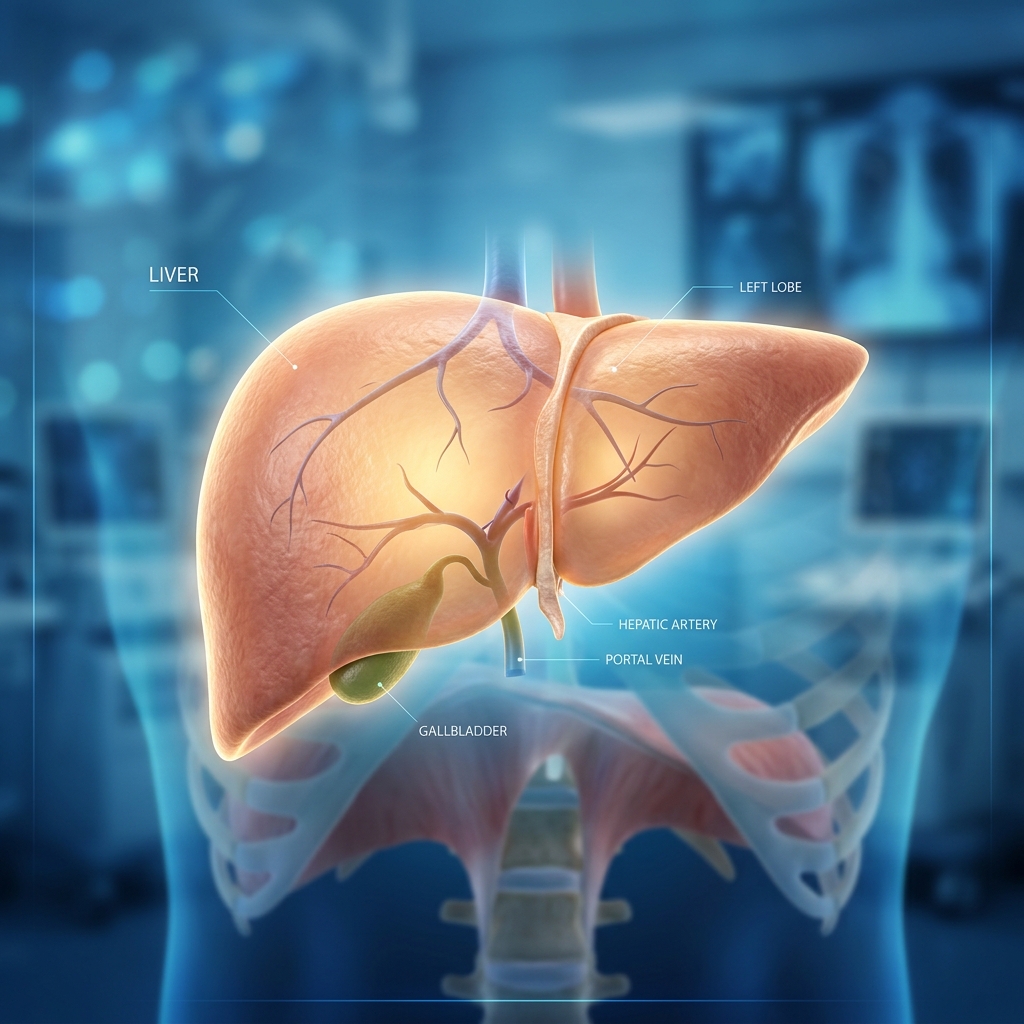
Jaundice occurs when there is a buildup of a compound called bilirubin in the blood and body tissues. Bilirubin is a yellowish-green waste pigment that is produced naturally when old or damaged red blood cells are broken down in the spleen. Under normal conditions, this bilirubin travels through the bloodstream to the liver. The liver absorbs it, processes it (conjugates it), and excretes it into bile. This bile then flows through the bile ducts into the gallbladder for storage and eventually into the small intestine to help digest fats. Bilirubin is what gives stool its normal brown color. Jaundice develops when this pathway is disrupted at any point, causing bilirubin to accumulate in the bloodstream and deposit under the skin and eyes, turning them yellow.
Classifying Jaundice: Pre-Hepatic, Hepatic, and Post-Hepatic Causes
Gastroenterologists classify the causes of adult jaundice into three categories based on where the disruption occurs in the bilirubin pathway:
1. Pre-Hepatic (Before the Liver)
Occurs when the body breaks down red blood cells too rapidly (hemolysis), overwhelming the liver's ability to process the excess bilirubin. The liver itself remains healthy. The most common cause is hemolytic anemia, a group of blood disorders where red blood cells are destroyed prematurely due to autoimmune issues or genetic factors.
2. Hepatic (Inside the Liver)
Occurs when the liver cells are damaged, inflamed, or scarred, preventing them from absorbing, processing, or excreting bilirubin. Common causes include:
- Viral Hepatitis (A, B, C, and E): Infections that cause acute or chronic liver cell inflammation.
- Alcohol-Related Liver Disease: Acute alcoholic hepatitis or advanced cirrhosis caused by long-term, heavy drinking.
- Fatty Liver (MASLD): Severe inflammation (NASH/MASH) associated with diabetes and obesity.
- Drug-Induced Liver Injury: Damage caused by high doses of medications (like paracetamol) or unregulated herbal supplements.
3. Post-Hepatic or Obstructive (After the Liver)
Occurs when bilirubin has been processed by the liver but cannot flow into the intestines because the bile ducts are blocked. This is also called obstructive jaundice. Common causes include:
- Gallstones: A stone slips out of the gallbladder and becomes stuck in the common bile duct, blocking the flow of bile.
- Biliary Strictures: Narrowing of the bile ducts due to inflammation, previous surgery scars, or chronic disease.
- Pancreatic or Bile Duct Tumors: Growths in the head of the pancreas or the bile duct walls that physically compress the duct, blocking bile flow.
Common Symptoms Associated with Adult Jaundice
In addition to the visible yellowing of the skin and eyes, adult jaundice is often accompanied by other symptoms that help pinpoint the cause:
- Dark, Tea-Colored Urine: Excess bilirubin is filtered by the kidneys, turning the urine a dark amber or brown color, even with high water intake.
- Pale, Clay-Colored Stools: If bile is blocked from reaching the intestines (obstructive jaundice), stools lose their brown color and become light grey, clay-like, or white.
- Intense Skin Itching (Pruritus): Buildup of bile salts in the bloodstream deposits under the skin, irritating nerve endings and causing constant, severe itching.
- Abdominal Pain: Obstructive jaundice from gallstones typically causes sudden, severe pain in the upper right side of the abdomen (biliary colic).
- Fever and Chills: Jaundice accompanied by fever suggests an active infection, such as viral hepatitis or a dangerous infection of the blocked bile ducts (cholangitis).
- Fatigue, Nausea, and Appetite Loss: Common systemic signs of liver cell inflammation.
Why Self-Treatment Can Be Highly Dangerous
CRITICAL CLINICAL WARNING: In North India, it is common for people to seek local alternative therapies, herbal mixtures, or ritual practices ("piliya ka jhaad") when they notice yellowing eyes. While some acute cases of Hepatitis A or E resolve on their own due to the body's natural immunity, attributing this recovery to alternative remedies is a mistake. If the jaundice is caused by Hepatitis B or C, a blocked bile duct, or a pancreatic tumor, relying on alternative treatments delays essential medical diagnosis. Unregulated herbal mixtures can contain heavy metals or hepatotoxic herbs, triggering acute-on-chronic liver failure. Every case of adult jaundice requires a proper medical evaluation by a gastroenterologist.
When to Seek Urgent Medical Attention
Adult jaundice always requires evaluation, but certain symptoms indicate a medical emergency:
- High fever and chills accompanied by upper right abdominal pain (suggesting cholangitis).
- Severe mental confusion, slurred speech, or hand tremors (indicating hepatic encephalopathy).
- Vomiting blood or passing black, tarry stools (indicating bleeding varices).
- Severe, constant abdominal swelling (ascites) or shortness of breath.
How Doctors Evaluate and Diagnose Jaundice
To identify the root cause of your jaundice, a gastroenterologist uses a structured diagnostic approach:
- Liver Function Tests (LFT): Blood tests measuring enzymes (ALT, AST, ALP) and bilirubin levels (direct vs. indirect) to check if the cause is hepatic or obstructive.
- Viral Serology: Blood tests screening for Hepatitis A, B, C, and E.
- Abdominal Ultrasound: A non-invasive scan to check for gallstones, dilated bile ducts, or liver fat.
- MRCP (Magnetic Resonance Cholangiopancreatography): A specialized MRI that provides detailed images of the bile ducts and gallbladder to locate blockages.
- ERCP (Endoscopic Retrograde Cholangiopancreatography): An endoscopic procedure used to directly view the bile ducts, remove stones, or place stents to clear blockages.
Treatment of Jaundice in Adults
Treatment is directed entirely at the underlying cause, not the yellowing itself:
- For Viral Hepatitis (A & E): Supportive care with rest, hydration, a balanced diet, and avoiding alcohol and self-medication while the liver recovers.
- For Chronic Hepatitis (B & C): Antiviral medications to suppress or clear the virus, reducing liver inflammation.
- For Gallstones Blocking Bile Ducts: An ERCP procedure to extract the stones and restore bile flow.
- For Strictures or Tumors: Placing stents during an ERCP to bypass the blockage, or surgical intervention.
Role of Dr. Vikas Sengar: Jaundice Specialist in Kanpur
If you or a family member is showing signs of jaundice, seeking care from an experienced hepatologist is essential. Dr. Vikas Sengar provides advanced clinical care at Medi Help Hospital, Sarvodaya Nagar, Kanpur.
With a DM in Gastroenterology from SGPGI Lucknow and over 10 years of clinical experience, Dr. Sengar is highly specialized in diagnosing and treating all causes of adult jaundice. From managing acute water-borne hepatitis to performing advanced interventional procedures like ERCP to clear gallstone blockages and place bile duct stents, Dr. Sengar ensures a safe, evidence-based approach, helping patients avoid the dangers of self-medication and restore their liver health.
Frequently Asked Questions (FAQs)
Q1: Is jaundice a disease?
No, jaundice is not a disease. It is a visible symptom of an underlying medical condition, indicating that there is a buildup of bilirubin in the body due to blood cell breakdown, liver inflammation, or a blocked bile duct.
Q2: Why does obstructive jaundice cause pale stools?
Bile contains bilirubin, which naturally colors stool brown as it passes through the intestines. When a gallstone or tumor blocks the bile ducts, bile cannot enter the digestive tract. Lacking this pigment, stools become pale, clay-colored, or white.
Q3: Can a pregnant woman develop jaundice?
Yes. Jaundice during pregnancy can occur due to normal pregnancy-related liver conditions (like intrahepatic cholestasis of pregnancy) or infections. Hepatitis E during pregnancy is particularly dangerous, as it can trigger acute liver failure, requiring close medical supervision.
Q4: How long does it take for jaundice to clear?
The recovery time depends entirely on the underlying cause. In acute Hepatitis A or E, the yellowing typically clears within 3 to 6 weeks as the liver heals. If the cause is a blocked bile duct, the jaundice begins to improve within a few days of clearing the blockage via an ERCP.
Q5: What foods should I avoid when I have jaundice?
When your liver is inflamed, avoid foods that put a strain on it. This includes alcohol, deep-fried foods, oily gravies, highly spiced dishes, and processed foods. Focus on a light, easily digestible diet with plenty of fluids, fresh fruits, and cooked vegetables.
Conclusion & Consultation
Adult jaundice is a symptom that always requires prompt professional evaluation. Relying on local home remedies or delaying care can lead to serious liver complications. Book a consultation with Dr. Vikas Sengar for evaluation of digestive and liver-related concerns at Medi Help Hospital in Sarvodaya Nagar, Kanpur. To schedule your visit, call +91 98398 00199 or visit our online appointment booking portal.