
Hepatology · August 23, 2026 · 12 min read
Liver Disease: Early Symptoms You Should Never Ignore
By Dr. Vikas Sengar
Key takeaways
- The liver is a vital organ performing over 500 tasks, including detoxifying blood and processing nutrients.
- Early liver disease is often 'silent' because the liver parenchyma lacks pain receptors, presenting only vague symptoms like fatigue.
- Key warning signs include persistent jaundice, dark urine, pale stools, easy bruising, and abdominal swelling (ascites).
- Diagnostic evaluations like Liver Function Tests (LFT) and Fibroscan help evaluate liver stiffness and fibrosis early.
The liver is one of the hardest-working and most resilient organs in the human body. Serving as the primary chemical processing plant, it performs over 500 vital functions to keep you healthy, including filtering toxins, processing nutrients, regulating blood sugar, and manufacturing essential blood proteins. However, this high capacity for work means that the liver can suffer significant damage before showing obvious outward signs of distress. In Kanpur, metabolic conditions like fatty liver (associated with rising diabetes and obesity rates), viral hepatitis, and alcohol-related liver diseases are increasingly prevalent. Many patients remain unaware of their condition until it reaches an advanced stage, primarily because early liver problems present with very subtle or non-specific symptoms. If you or a loved one has risk factors or is experiencing persistent fatigue or abdominal fullness, consulting a qualified liver specialist in Kanpur is crucial for early diagnosis and treatment. In this medically responsible, patient-friendly guide, we will explore what the liver does, outline early and late-stage symptoms, and discuss how a leading gastroenterologist in Kanpur evaluates and manages liver diseases.
What Does the Liver Do?
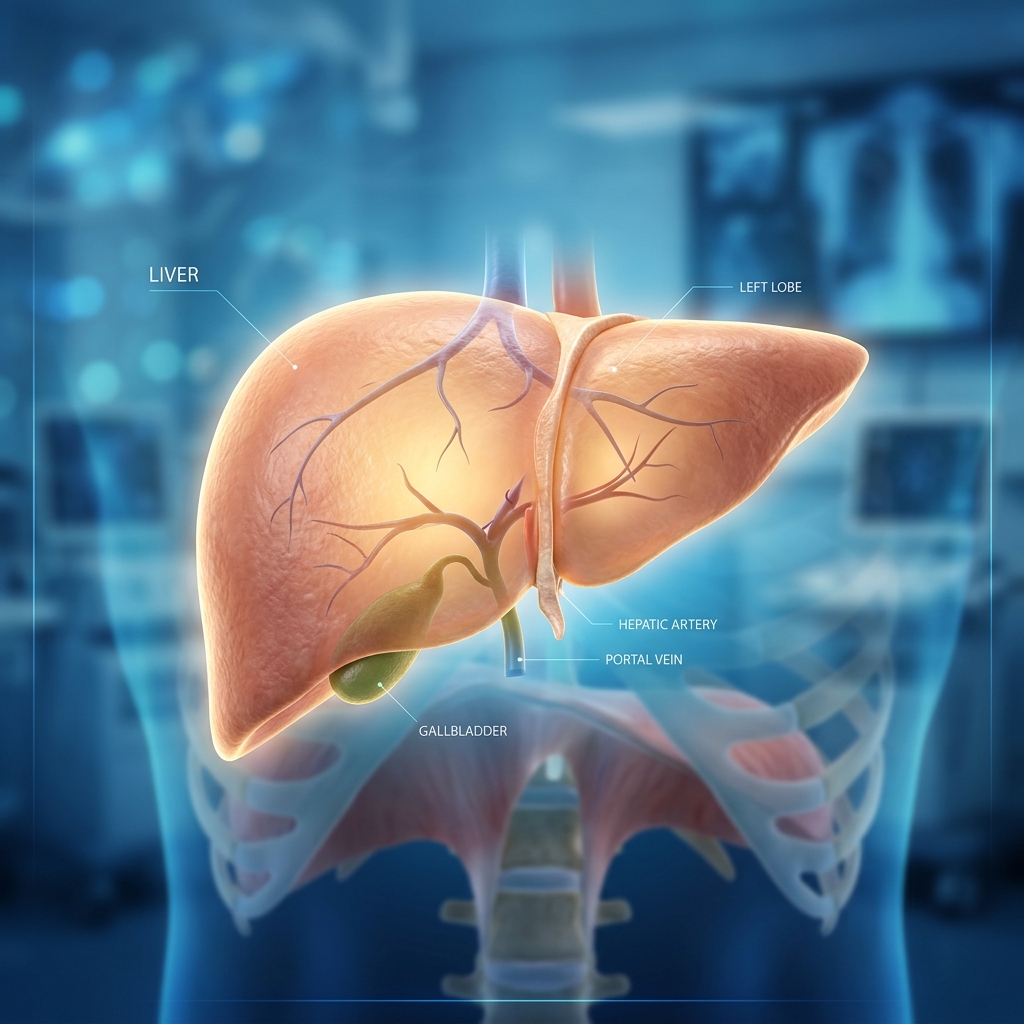
The liver is located in the upper right side of your abdomen, protected by the rib cage. It is responsible for a wide range of essential metabolic tasks:
- Detoxification: It filters metabolic waste, drugs, alcohol, and external toxins from the bloodstream, neutralizing them for excretion.
- Metabolism of Nutrients: It processes carbohydrates, fats, and proteins absorbed from the digestive tract, converting them into energy or building blocks for tissues.
- Storage: It stores essential vitamins (A, D, E, K, B12), minerals (iron, copper), and glycogen (stored glucose) to release when the body needs quick energy.
- Bile Production: It manufactures bile, a yellowish-green fluid that is stored in the gallbladder and released into the small intestine to help digest and absorb fats.
- Protein Synthesis: It synthesizes blood proteins, including albumin (which regulates fluid balance in the blood) and clotting factors (which prevent excessive bleeding after injuries).
Common Types of Liver Disease
Liver diseases can arise from infection, metabolic issues, toxins, or genetic factors. The most common types include:
1. Fatty Liver Disease (MASLD/NAFLD)
Metabolic Dysfunction-Associated Steatotic Liver Disease (MASLD), formerly known as Non-Alcoholic Fatty Liver Disease (NAFLD), is characterized by the accumulation of excess fat in liver cells. It is strongly linked to insulin resistance, obesity, type 2 diabetes, and high cholesterol, and is highly common in urban India.
2. Hepatitis (Viral & Autoimmune)
Hepatitis is the inflammation of the liver. The most common causes are viral infections (Hepatitis A and E, typically spread through contaminated food/water; and Hepatitis B and C, spread through contact with infected blood or body fluids). Autoimmune hepatitis occurs when the body's immune system mistakenly attacks liver cells.
3. Alcohol-Related Liver Disease (ARLD)
Excessive, long-term alcohol consumption causes progressive damage to the liver. It begins as alcoholic fatty liver, which can progress to alcoholic hepatitis (acute inflammation) and eventually to cirrhosis (irreversible scarring).
4. Liver Cirrhosis
Cirrhosis is the advanced stage of liver fibrosis (scarring) caused by long-term, ongoing liver damage from any source (such as chronic hepatitis B/C, fatty liver, or alcohol). As healthy tissue is replaced by scar tissue, the liver loses its ability to function and blood flow through the liver is blocked.
Why Do Early Liver Diseases Have Few Symptoms?
The liver is often called a "silent organ." This is because the main tissue of the liver (the parenchyma) lacks sensory pain receptors. The only part of the liver that can feel pain is the outer capsule surrounding it. Therefore, early-stage liver diseases—such as fat accumulation, mild viral infections, or early scarring—do not cause physical pain. Vague symptoms like mild fatigue or bloating are easily attributed to other everyday causes. The liver only begins to cause pain when it swells significantly, stretching its outer capsule, or when liver damage reaches an advanced stage. This silent progression is why regular screenings and paying attention to subtle warning signs are so important.
Early Liver Disease Symptoms You Should Never Ignore
While the liver is highly resilient, it does send subtle warning signs during the early stages of damage. These symptoms include:
- Chronic, Unexplained Fatigue: Feeling persistently tired, weak, or lacking energy, even after resting. This is the most common early symptom of liver dysfunction.
- Mild Abdominal Fullness or Discomfort: A dull ache, pressure, or sensation of heaviness in the upper right side of the abdomen.
- Loss of Appetite & Nausea: Feeling persistently full, experiencing a metallic taste in the mouth, or having mild nausea after eating.
- Mild Skin Irritation or Itching: Persistent, unexplained itching (pruritus) that is not accompanied by a visible rash, caused by the buildup of bile salts in the skin.
Symptoms of Advanced or Later-Stage Liver Disease
As liver damage progresses and the organ struggles to perform its vital functions, more specific and severe symptoms begin to appear:
- Jaundice: A yellowing of the skin and the whites of the eyes, occurring when the liver is unable to process bilirubin (a yellow waste product from broken-down red blood cells).
- Dark Urine & Pale Stools: Bilirubin buildup turns urine a dark, tea-like color, while a lack of bile entering the intestines causes stools to become pale, clay-colored, or white.
- Ascites (Abdominal Swelling): Accumulation of fluid in the abdominal cavity, causing a distended, bloated abdomen and rapid weight gain.
- Easy Bruising and Bleeding: Because the liver cannot produce enough clotting proteins, you may notice nosebleeds, bleeding gums, or large bruises from minor bumps.
- Hepatic Encephalopathy (Mental Confusion): A buildup of toxins (like ammonia) in the blood that the liver fails to filter, leading to sleep disturbances, difficulty concentrating, memory loss, hand tremors, or severe confusion.
Red Flags: When Liver Disease Is a Medical Emergency
Certain symptoms indicate that the liver is failing or that life-threatening complications have developed. Seek immediate emergency medical care if you experience:
- Vomiting Blood (Hematemesis) or Passing Black, Tarry Stools (Melena): Suggesting ruptured veins (varices) in the esophagus or stomach due to high pressure in the liver's blood vessels (portal hypertension).
- Severe Confusion, Lethargy, or Slurred Speech: Indicating severe hepatic encephalopathy.
- A High Fever accompanied by Abdominal Pain and Swelling: Suggesting spontaneous bacterial peritonitis (a dangerous infection of abdominal fluid).
How Are Liver Problems Evaluated by a Specialist?
If you have risk factors (like diabetes, obesity, family history, or alcohol use) or are experiencing symptoms, a liver specialist will conduct a thorough clinical evaluation:
- Detailed Clinical History & Exam: The doctor will discuss your lifestyle, check for physical signs of liver issues (like jaundice, fluid retention, or liver size), and map your risk factors.
- Liver Function Test (LFT): A panel of blood tests that measures enzymes and proteins:
- ALT (SGPT) & AST (SGOT): Elevated levels indicate liver cell injury or inflammation.
- Bilirubin: High levels indicate jaundice or bile duct blockages.
- ALP: Elevated levels suggest bile duct inflammation or blockage.
- Albumin: Low levels suggest chronic, long-term liver damage.
- Abdominal Ultrasound: A non-invasive imaging test that visualizes the liver's size, shape, blood flow, and detects fat accumulation or gallstones.
- Fibroscan (Transient Elastography): A specialized ultrasound-like test that measures liver stiffness (fibrosis) and evaluates the amount of fat in the liver, helping avoid invasive biopsies in many cases.
General Lifestyle Measures for Liver Health
Caring for your liver involves daily habits that support metabolic health:
- Maintain a Healthy Weight: Reducing body weight by 7-10% can significantly reduce liver fat and inflammation in patients with MASLD/fatty liver.
- Eat a Balanced Diet: Focus on whole foods, green vegetables, lean proteins, and complex carbohydrates. Limit processed sugars, trans fats, and simple starches.
- Avoid Alcohol: Eliminating alcohol is the most critical step in preventing and reversing alcohol-related liver damage.
- Exercise Regularly: Engaging in moderate-intensity exercise (such as brisk walking) for 150 minutes per week helps burn liver fat and improves insulin sensitivity.
- Avoid Self-Medicating: Be cautious with over-the-counter painkillers and uncertified herbal supplements, which can cause acute drug-induced liver injury.
Debunking Common Myths About Liver Health
Myth 1: "I only need to worry about my liver if I drink alcohol."
*Fact:* Metabolic fatty liver disease (MASLD) affects millions of non-drinkers, driven by diet, diabetes, and obesity. It is now one of the leading causes of liver transplant referrals worldwide.
Myth 2: "Liver detox teas and juices will clean my liver."
*Fact:* The liver cleans itself. There is no evidence that commercial detox products work; in fact, some unregulated herbal formulations can trigger acute liver failure.
Myth 3: "If my liver was sick, it would hurt."
*Fact:* Because the liver tissue lacks pain nerves, serious liver damage can progress quietly with no pain, presenting only as fatigue or mild bloating.
Role of Dr. Vikas Sengar: Liver Specialist in Kanpur
When it comes to diagnostic and therapeutic liver care in Kanpur, Dr. Vikas Sengar is a highly trusted specialist. Practicing at Medi Help Hospital, Sarvodaya Nagar, Kanpur, Dr. Sengar offers advanced clinical hepatology services.
With a DM in Gastroenterology from SGPGI Lucknow and over 10 years of clinical experience, Dr. Sengar specializes in evaluating metabolic fatty liver, chronic viral hepatitis B and C, alcoholic liver disease, and advanced liver cirrhosis. Equipped with advanced diagnostic tools, including high-definition imaging and specialized Fibroscan routing, Dr. Sengar focuses on a personalized, patient-first approach to ensure early detection, accurate staging, and effective clinical management.
Frequently Asked Questions (FAQs)
Q1: Can fatty liver be reversed?
Yes, early-stage fatty liver (simple steatosis) can often be improved and reversed through consistent lifestyle changes, including weight loss, a balanced diet, exercise, and avoiding alcohol. However, once fatty liver progresses to advanced cirrhosis with severe scarring, the damage is generally irreversible, though it can still be medically managed.
Q2: What is the main cause of jaundice?
Jaundice is caused by the buildup of bilirubin in the blood. This can happen due to liver cell damage (hepatitis, cirrhosis), bile duct blockages (gallstones, tumors), or rapid breakdown of red blood cells. Evaluation by a specialist is needed to determine the exact cause.
Q3: How often should I check my LFT?
If you have no symptoms or risk factors, routine LFTs are usually done during annual health check-ups. However, if you have chronic diabetes, obesity, drink alcohol, or take medications that affect the liver, your doctor may recommend checking your LFT every 3 to 6 months.
Q4: Is hepatitis contagious?
Hepatitis A and E are highly contagious and are spread through contaminated food and water. Hepatitis B and C are blood-borne and spread through contact with infected blood, sharing needles, or unprotected sexual contact. Autoimmune and alcoholic hepatitis are not contagious.
Q5: What is a Fibroscan?
A Fibroscan is a non-invasive, quick diagnostic test that uses ultrasound waves to measure liver stiffness (which correlates with scarring or fibrosis) and evaluates liver fat content. It is painless, takes only 5 to 10 minutes, and helps avoid liver biopsies in many patients.
Conclusion & Consultation
Your liver is a vital powerhouse, but because it is a silent organ, early liver disease symptoms should never be ignored. Early detection through routine check-ups and paying attention to subtle warning signs can prevent progressive damage and save lives. If you have persistent digestive or liver-related concerns, book a consultation with Dr. Vikas Sengar at Medi Help Hospital in Sarvodaya Nagar, Kanpur. To schedule your visit, call +91 98398 00199 or visit our online appointment booking portal.