
Hepatology · August 23, 2026 · 11 min read
How to Know If Your Liver Is Not Healthy? Warning Signs to Watch
By Dr. Vikas Sengar
Key takeaways
- The liver tissue itself has no pain receptors, meaning significant damage can accumulate quietly without causing pain.
- Early warning signs include persistent fatigue, upper abdominal fullness, unexplained nausea, and skin itching.
- Advanced symptoms—such as yellowing eyes (jaundice), dark urine, pale stools, and abdominal fluid (ascites)—require urgent evaluation.
- Early stage fatty liver and inflammation can often be managed through diet, exercise, and avoiding alcohol under medical guidance.
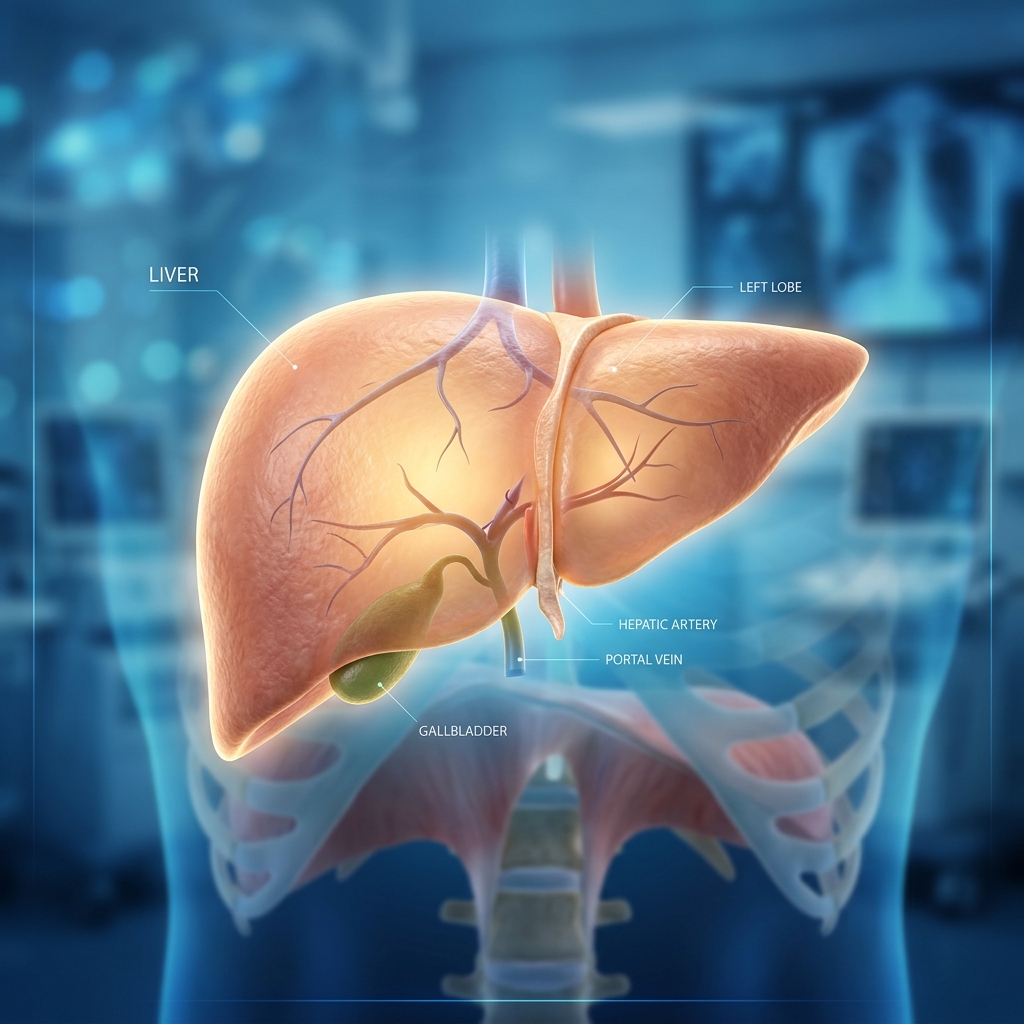
The liver is the ultimate multitasker of the human body. Located in the upper right quadrant of your abdomen, this vital organ performs over 500 essential functions daily, ranging from processing nutrients and storing vitamins to synthesizing clotting proteins and filtering toxins from your blood. Because the liver is incredibly resilient and possesses the unique ability to regenerate itself, it can continue working even when damaged. However, this high tolerance also means that liver problems can progress silently for years before showing obvious symptoms. In Kanpur, metabolic fatty liver disease, alcohol-related liver injury, and viral hepatitis are increasingly common health concerns. Many individuals live with an inflamed or fat-laden liver without realizing it, missing the window for early intervention. Knowing how to know if your liver is not healthy by recognizing subtle warning signs is vital for protecting your health. If you are experiencing concerning symptoms or have metabolic risk factors, consulting a qualified liver specialist in Kanpur is the first step toward reclaiming your health. In this detailed guide, we will discuss the silent nature of liver damage, outline 10 warning signs to watch, and explain how liver health is evaluated and managed.
The Silent Nature of Liver Injury: Why Symptoms Are Often Vague
One of the most important concepts in hepatology is that the liver tissue (parenchyma) does not contain sensory pain nerves. The only part of the liver that can feel pain is the Glisson's capsule, the thin fibrous sheath that wraps around the outside of the organ. Because of this lack of pain receptors, structural liver conditions like fat accumulation (steatosis), chronic viral infections (hepatitis B or C), or early scarring (fibrosis) do not cause a "liver ache." A patient can have significant liver inflammation and feel no physical discomfort. It is only when the liver swells significantly, stretching its outer capsule, or when the damage progresses to advanced cirrhosis that specific symptoms like jaundice or abdominal swelling appear. Consequently, paying attention to subtle, systemic warning signs is essential for early detection.
10 Warning Signs of an Unhealthy Liver
When the liver is inflamed, fatty, or beginning to scar, it sends out subtle signals. Here are 10 key warning signs you should never ignore:
1. Persistent, Unexplained Fatigue
While fatigue is a common symptom for many conditions, chronic, debilitating fatigue that does not improve with rest is the most common early symptom of liver dysfunction. When the liver is struggling to process toxins and manage energy stores, metabolic waste builds up in the blood, causing persistent lethargy and physical weakness.
2. Dull Upper Right Abdominal Fullness
You may feel a sensation of fullness, heaviness, or a dull ache in the upper right side of your abdomen, just below your ribs. This occurs when the liver becomes inflamed and enlarged (hepatomegaly), stretching its outer, nerve-rich capsule.
3. Chronic Nausea and Appetite Loss
When the liver is not functioning properly, it fails to produce enough bile (essential for fat digestion) and struggles to filter metabolic waste. This can lead to a persistent feeling of nausea, a metallic taste in the mouth, and a sudden loss of interest in food.
4. Unexplained Skin Itching (Pruritus)
Persistent, intense itching that affects your hands, feet, or your entire body without a visible skin rash can be a sign of liver dysfunction. It occurs when bile ducts are inflamed or blocked, causing bile salts to build up in the bloodstream and deposit under the skin, irritating nerve endings.
5. Jaundice (Yellowing of Eyes and Skin)
Jaundice is a classic, highly specific sign of liver disease. It causes a distinct yellowing of the whites of your eyes (sclera) and skin. This occurs when a damaged liver cannot filter bilirubin, a yellow pigment produced by the breakdown of old red blood cells, causing it to build up in tissues.
6. Dark, Tea-Colored Urine
Even if you are drinking plenty of water, your urine may turn a dark brown, amber, or tea-like color. This happens because the kidneys are forced to filter the excess bilirubin that the damaged liver failed to process.
7. Pale or Clay-Colored Stools
Bile is what naturally gives stool its brown color. If the liver is not producing enough bile, or if the flow of bile is blocked, stools can become pale, light grey, or clay-colored, indicating a biliary or liver problem.
8. Easy Bruising and Bleeding
If you notice that minor bumps leave large bruises, or if you experience frequent nosebleeds or bleeding gums, it could indicate liver damage. The liver is responsible for manufacturing the proteins that help your blood clot; when it is damaged, these proteins drop, making you bleed and bruise easily.
9. Swelling in the Legs and Abdomen
Fluid retention is a sign of advanced liver scarring (cirrhosis). Lower protein levels (especially albumin) and high pressure in the liver's blood vessels cause fluid to leak into surrounding tissues, leading to swelling in the ankles and legs (edema) or accumulation in the abdomen (ascites).
10. Cognitive Changes and Brain Fog
You may experience mild confusion, memory lapses, difficulty concentrating, sleep disturbances, or a hand tremor (asterixis). This occurs when a scarred liver cannot filter toxins like ammonia from the blood, allowing them to travel to the brain and disrupt cognitive function (hepatic encephalopathy).
Early vs. Advanced Liver Disease Symptoms
It is important to distinguish between early warnings and advanced signs of liver damage. Early symptoms like fatigue, mild nausea, and abdominal heaviness are often reversible if the underlying cause (such as fatty liver or viral hepatitis) is diagnosed and treated early. In contrast, advanced symptoms like ascites, confusion, vomiting blood, and severe jaundice indicate that the liver has developed extensive scarring (cirrhosis) and is struggling to function. While cirrhosis is generally irreversible, prompt medical care can slow its progression and prevent life-threatening liver failure.
Common Causes of Liver Damage
Liver inflammation and injury typically stem from a few common sources:
- Fatty Liver (MASLD): Excess fat storage in liver cells, driven by diabetes, obesity, and high cholesterol.
- Alcohol-Related Liver Injury: Chronic, heavy drinking leading to fat buildup, inflammation, and scarring.
- Viral Hepatitis (B & C): Chronic viral infections that cause long-term, low-grade liver inflammation and progressive scarring.
- Drug-Induced Liver Injury: Damage caused by overusing medications (like acetaminophen) or consuming unregulated herbal supplements.
How Gastroenterologists Evaluate Liver Health
If you show warning signs of liver disease, a liver specialist will recommend a systematic evaluation:
- Liver Function Tests (LFT): Blood tests measuring liver enzymes (ALT, AST, ALP) and proteins (albumin, bilirubin) to assess active inflammation and function.
- Abdominal Ultrasound: To check liver size, look for fat accumulation, and screen for gallstones or fluid.
- Fibroscan: A specialized, non-invasive test that measures liver stiffness to assess the degree of fibrosis (scarring) and fat quantity.
General Lifestyle Guidelines for Liver Care
Caring for your liver involves daily habits that support metabolic wellness:
- Maintain a healthy weight through a balanced diet low in processed sugars.
- Engage in moderate exercise like brisk walking for 150 minutes a week.
- Eliminate alcohol to prevent alcohol-related damage.
- Get vaccinated against Hepatitis A and B.
- Avoid self-prescribed "detox" supplements, which can cause acute liver toxicity.
Role of Dr. Vikas Sengar: Liver Specialist in Kanpur
If you are experiencing persistent fatigue, abdominal fullness, or have metabolic risk factors, seeking specialized care is essential. Dr. Vikas Sengar is a highly trusted name for liver and digestive care in Kanpur. Practicing at Medi Help Hospital, Sarvodaya Nagar, Kanpur, Dr. Sengar offers advanced hepatology evaluations and treatments.
With a DM in Gastroenterology from SGPGI Lucknow and over 10 years of clinical experience, Dr. Sengar specializes in managing metabolic fatty liver, viral hepatitis, alcoholic liver disease, and liver cirrhosis. Equipped with high-definition diagnostic systems and advanced staging methods like Fibroscan routing, Dr. Sengar and his team focus on early detection, helping patients prevent progressive scarring and restore their metabolic health through personalized care plans.
Frequently Asked Questions (FAQs)
Q1: Can a fatty liver cause pain?
Generally, fatty liver does not cause sharp pain. However, if the liver accumulates a large amount of fat quickly, it can swell and stretch its outer capsule, causing a dull ache, pressure, or sensation of heaviness in the upper right side of the abdomen.
Q2: Why does an unhealthy liver cause skin itching?
An unhealthy liver, particularly when bile flow is blocked or reduced, leads to a buildup of bile acids in the bloodstream. These bile acids are deposited in the skin tissues, where they irritate nearby nerve endings, triggering persistent itching (pruritus) without a visible rash.
Q3: What is the difference between AST and ALT in an LFT?
AST (SGOT) and ALT (SGPT) are enzymes found inside liver cells. When liver cells are damaged or inflamed, these enzymes leak into the blood. While ALT is primarily found in the liver and is a highly specific marker of liver injury, AST is also found in heart and muscle tissues.
Q4: Can liver damage cause swelling in the legs?
Yes. Advanced liver scarring (cirrhosis) reduces the liver's ability to manufacture proteins like albumin, which keeps fluid inside blood vessels. Combined with increased pressure in the liver's veins, fluid leaks out into surrounding tissues, causing swelling in the legs (edema) and abdomen (ascites).
Q5: How can I naturally improve my liver health?
You can support your liver by maintaining a healthy weight, eating a balanced diet rich in vegetables and whole grains, exercising regularly, limiting processed sugars, avoiding alcohol completely, and avoiding self-prescribed medications or unregulated herbal supplements.
Conclusion & Consultation
Your liver is a silent powerhouse, but recognizing its subtle warning signs is vital for preventing progressive damage. Relying on self-diagnosis or detox drinks can delay critical care. Book a consultation with Dr. Vikas Sengar for evaluation of digestive and liver-related concerns at Medi Help Hospital in Sarvodaya Nagar, Kanpur. To schedule your visit, call +91 98398 00199 or visit our online appointment booking portal.