Gastroenterology
Piles (Hemorrhoids): Causes, Symptoms and Non-Surgical Treatment Options
Key takeaways
- Piles (hemorrhoids) are swollen veins in the lower rectum and anus, classified into internal and external types.
- Internal piles are graded from Grade 1 (no prolapse) to Grade 4 (persistently prolapsed and irreducible).
- Most early-grade piles can be managed non-surgically using high-fiber diets, sitz baths, and medication.
- Persistent or bleeding piles can be treated with advanced outpatient procedures like Rubber Band Ligation (RBL).
Rectal bleeding, pain, and discomfort during bowel movements are common symptoms that cause severe anxiety. In many cases, these symptoms are caused by piles, also known clinically as hemorrhoids. Piles affect millions of people worldwide and are a major cause of outpatient gastroenterology visits. In Kanpur, a local lifestyle that often involves eating spicy foods, lack of physical activity, and sitting for long periods, combined with chronic constipation, makes piles extremely common. Unfortunately, due to social embarrassment, many patients delay consulting a specialist. Instead, they rely on home remedies or unscientific local clinic treatments until the condition reaches an advanced stage. Over time, chronic straining can turn manageable early-stage piles into severe, prolapsed structures that require surgery. If you are struggling with these symptoms, seeking early piles treatment in Kanpur under a leading stomach specialist in Kanpur is key to finding relief. In this detailed patient education guide, we will discuss the anatomy of piles, outline their causes and symptoms, explain grading, and explore modern non-surgical and outpatient treatment options.
What Are Piles? Internal vs. External Hemorrhoids
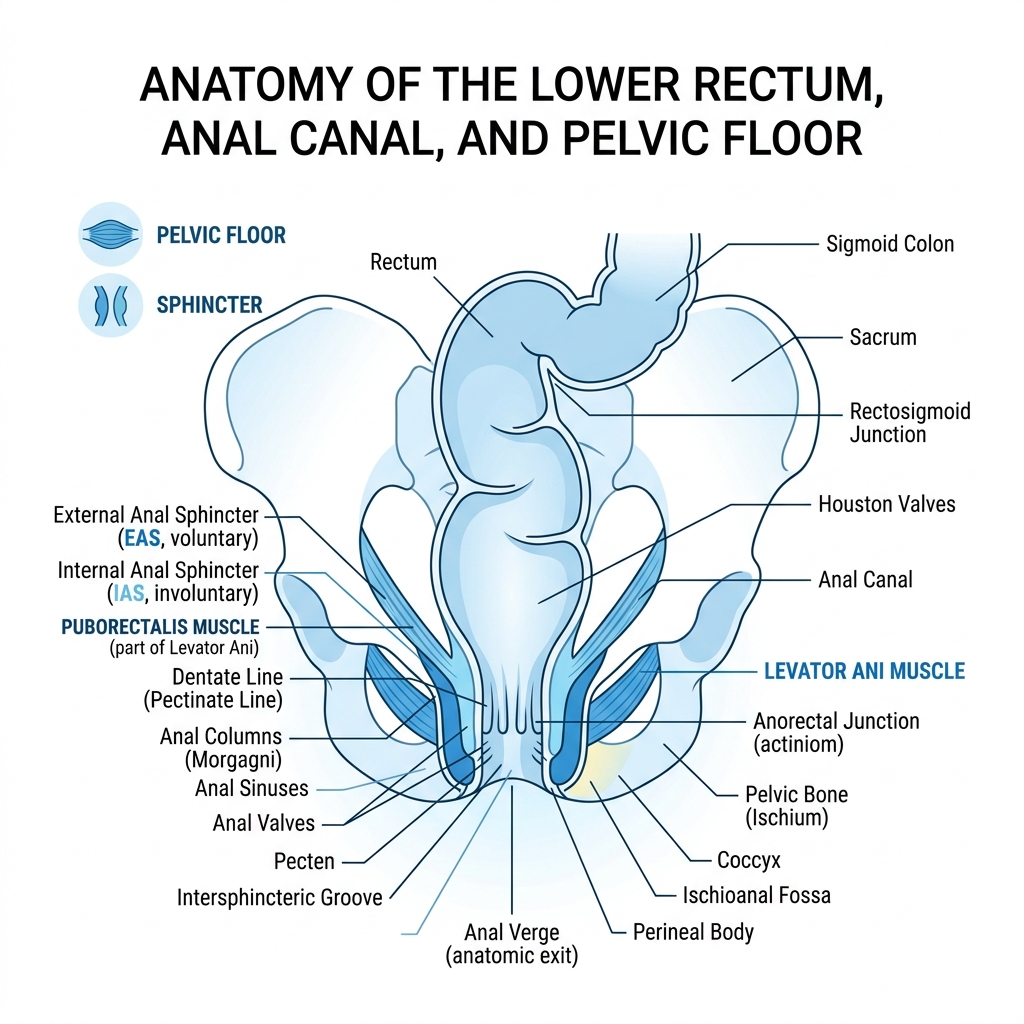
Hemorrhoids are naturally occurring cushions of blood vessels and connective tissue in the lower rectum and anus. They act as valves, helping control bowel movements and cushioning the anal canal during defecation. When these blood vessels become swollen, stretched, and inflamed (similar to varicose veins in the legs), they are referred to as piles. Piles are classified based on their location:
1. Internal Hemorrhoids
These develop inside the rectum, above the line separating the rectum from the anal canal (the dentate line). Because this area lacks pain-sensing nerves, internal piles are usually painless. The most common sign is painless, bright red bleeding during a bowel movement. However, as they enlarge, they can slip down and protrude out of the anus (prolapse).
2. External Hemorrhoids
These form under the skin around the outer anus, below the dentate line. This area is rich in pain-sensing nerves, making external piles highly sensitive. They present as painful swelling, itching, and difficulty cleaning after a bowel movement. If blood pools inside an external hemorrhoid, it can form a clot, causing a highly painful condition called a thrombosed hemorrhoid.
Grading of Internal Hemorrhoids
Gastroenterologists use a staging system to determine the severity of internal piles and guide treatment decisions:
- Grade 1 (First-Degree): The blood vessels are swollen and bleed, but they remain completely inside the anal canal and do not protrude (prolapse) during bowel movements.
- Grade 2 (Second-Degree): The piles protrude out of the anus during defecation or straining but slide back inside on their own once the straining stops.
- Grade 3 (Third-Degree): The piles protrude during bowel movements or physical activity and do not return inside automatically. The patient must push them back inside manually.
- Grade 4 (Fourth-Degree): The piles remain permanently protruded out of the anus and cannot be pushed back inside. This grade carries a risk of strangulation (blood supply being cut off), causing severe pain.
Common Causes and Risk Factors
Piles develop due to increased pressure in the veins of the rectum and anus, commonly caused by:
- Chronic Constipation or Diarrhea: Constant straining to pass hard stool increases venous pressure. Conversely, frequent bowel movements from chronic diarrhea also irritate the rectal tissues.
- Low-Fiber Diet: Eating refined foods (like maida) and too few vegetables, fruits, and grains leads to hard, dry stools that require straining.
- Prolonged Sitting: Sitting for hours, especially on the toilet, pools blood in the rectal veins, weakening the supporting tissues.
- Aging: The tissues supporting the veins in the rectum stretch and weaken with age.
- Pregnancy: The growing uterus presses on the pelvic veins, and hormonal changes soften rectal tissues, making piles common in pregnant women.
- Heavy Lifting: Repeated lifting increases intra-abdominal pressure, straining the rectal veins.
Non-Surgical and Conservative Treatment Options
Most cases of Grade 1 and Grade 2 piles, and some Grade 3 cases, can be managed without major surgery. Conservative treatment focuses on softening stools, reducing pressure, and relieving inflammation:
1. Dietary and Lifestyle Changes
- Increase Fiber Intake: Gradually add high-fiber foods (oats, whole wheat, fresh fruits, vegetables, beans) to your diet. Fiber adds bulk and retains water, softening stools.
- Drink Ample Fluids: Aim for 2.5 to 3 liters of water daily to keep stool soft.
- Avoid Toilet Straining: Do not spend more than 5 minutes on the toilet. If you do not have a bowel movement, leave and try again later. Avoid reading or using your phone on the toilet.
- Sitz Baths: Soak your perianal area in warm water for 15 to 20 minutes, 2 to 3 times a day. Warm water increases blood flow, relaxes the anal sphincter muscle, and reduces swelling.
2. Medical Treatments
- Stool Softeners: Natural bulk-forming supplements (like psyllium husk) or osmotic softeners (like lactulose) keep stools soft, reducing straining.
- Topical Formulations: Empathetic use of topical ointments containing local anesthetics or mild anti-inflammatory agents provides rapid, temporary relief from pain and itching.
- Oral Flavonoids: Medications like micronized purified flavonoid fraction (MPFF) help improve vein tone, reduce inflammation, and stop bleeding during acute flares.
3. Outpatient Procedures (Mini-Invasive Treatments)
For early-grade piles that bleed persistently, simple, non-surgical outpatient procedures can be performed in a clinic setting:
- Rubber Band Ligation (RBL): A highly effective, painless procedure where a tiny rubber band is placed around the base of the internal hemorrhoid. This cuts off its blood supply, causing the hemorrhoid to shrink and fall off naturally within a week.
- Sclerotherapy: A chemical solution is injected into the hemorrhoid tissue, causing it to scar, shrink, and stop bleeding.
- Infrared Coagulation (IRC): A device uses infrared heat to create tiny burns, cutting off blood flow to the hemorrhoid and causing it to shrink.
Advanced Surgical Note: For Grade 4 piles or complicated cases, modern mini-invasive surgical options like Laser Hemorrhoidoplasty (LHP) or Stapled Hemorrhoidopexy are considered to ensure rapid recovery and minimal pain.
When to Consult a Gastroenterologist
CLINICAL CAUTION: Never assume that bleeding from the rectum is simply piles. Rectal bleeding is a common symptom of other serious conditions, including anal fissures, inflammatory bowel disease, colorectal polyps, or colorectal cancer. You must consult a gastroenterologist if:
- You experience rectal bleeding for the first time, or if bleeding is persistent.
- Your stools change in shape (become thin or pencil-like) or if you experience unexplained weight loss.
- Your piles are severely painful, hard, or dark purple (indicating a thrombosed hemorrhoid).
- You feel a persistent lump inside or outside your anus that cannot be pushed back inside.
Role of Dr. Vikas Sengar: Piles Specialist in Kanpur
For patients dealing with bleeding, painful piles in Kanpur, receiving professional care from a specialist is essential. Dr. Vikas Sengar provides advanced evaluations and personalized treatment plans at Medi Help Hospital, Sarvodaya Nagar, Kanpur.
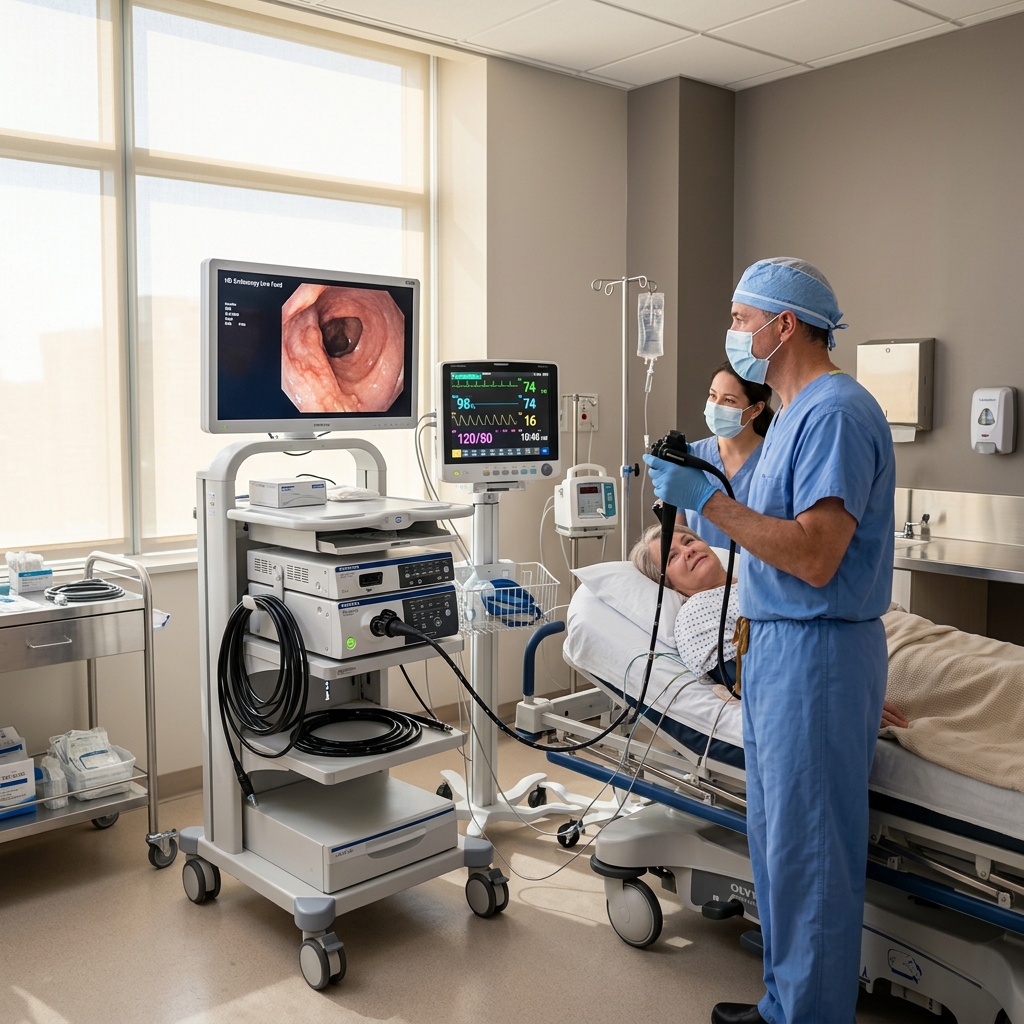
With a DM in Gastroenterology from SGPGI Lucknow and over 10 years of clinical experience, Dr. Sengar specializes in accurately diagnosing and treating piles. He performs high-definition colonoscopies to rule out other causes of rectal bleeding, guides patients on dietary changes, and performs advanced outpatient treatments like Rubber Band Ligation (RBL). For advanced cases, he collaborates with proctology teams to coordinate modern laser and stapler surgeries, helping patients find lasting relief.
Frequently Asked Questions (FAQs)
Q1: Do all piles require surgery?
No. Over 80% of piles cases can be managed without surgery using dietary modifications, lifestyle changes, medications, or simple outpatient procedures like Rubber Band Ligation (RBL). Surgery is reserved for Grade 4 piles, thrombosed hemorrhoids, or cases that do not respond to conservative treatments.
Q2: Why does sitting on the toilet too long cause piles?
Sitting on a toilet seat relaxes your pelvic floor muscles, allowing the tissues supporting the rectal veins to sag. Combined with the downward force of gravity, this pooling of blood stretches and weakens the vein walls, leading to piles. Keep toilet visits under 5 minutes.
Q3: What is a thrombosed hemorrhoid?
A thrombosed hemorrhoid occurs when a blood clot forms inside an external hemorrhoid. It presents as a sudden, hard, extremely painful lump around the edge of the anus. While not dangerous, it causes severe pain and should be evaluated by a doctor for drainage or medication.
Q4: Can pregnancy-induced piles go away after childbirth?
Yes. Piles that develop during pregnancy are caused by the pressure of the growing uterus and hormonal changes. In most cases, once the baby is born and pressure on the pelvic veins is removed, the hemorrhoids shrink and resolve with simple home care.
Q5: What is the difference between piles and a fissure?
Piles are swollen blood vessels in the rectum or anus, presenting as painless bleeding, prolapse, or swelling. An anal fissure is a small, painful tear in the skin lining of the anal canal, causing sharp, burning pain during and after bowel movements, often with minor bleeding.
Conclusion & Consultation
Piles are a common and treatable medical condition, not something to suffer with in silence. Reclaiming your comfort starts with a professional diagnosis and a customized care plan. Book a consultation with Dr. Vikas Sengar for evaluation of digestive and liver-related concerns at Medi Help Hospital in Sarvodaya Nagar, Kanpur. To schedule your visit, call +91 98398 00199 or visit our online appointment booking portal.